Professional solutions on concrete addtives, Concrete Foaming Agent, Superplasticizer, CLC Blocks Additives, and foaming machine


PRODUCT PARAMETERS
Description
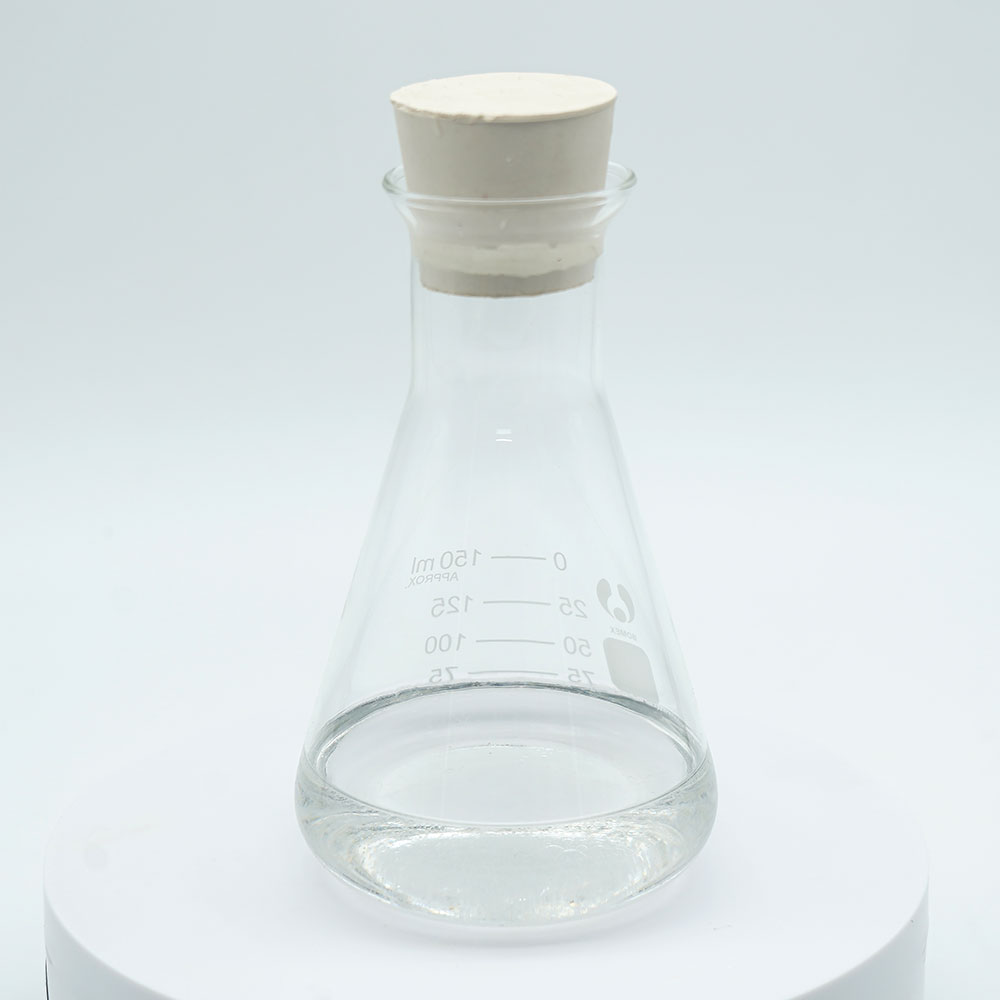
Overview of Liquid foaming agent, surfactant, building cement, concrete foaming agent, washing, daily chemical raw materials
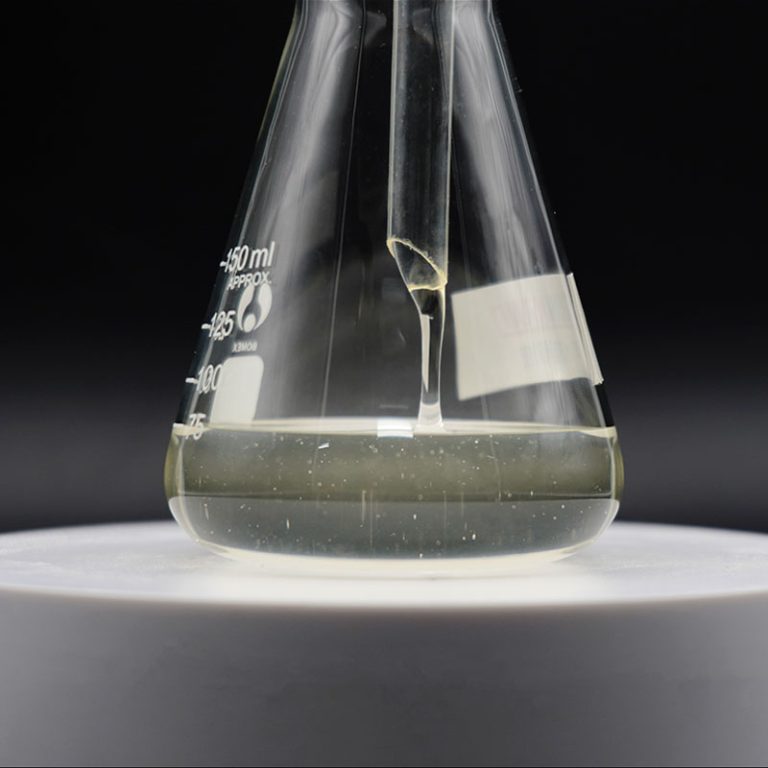
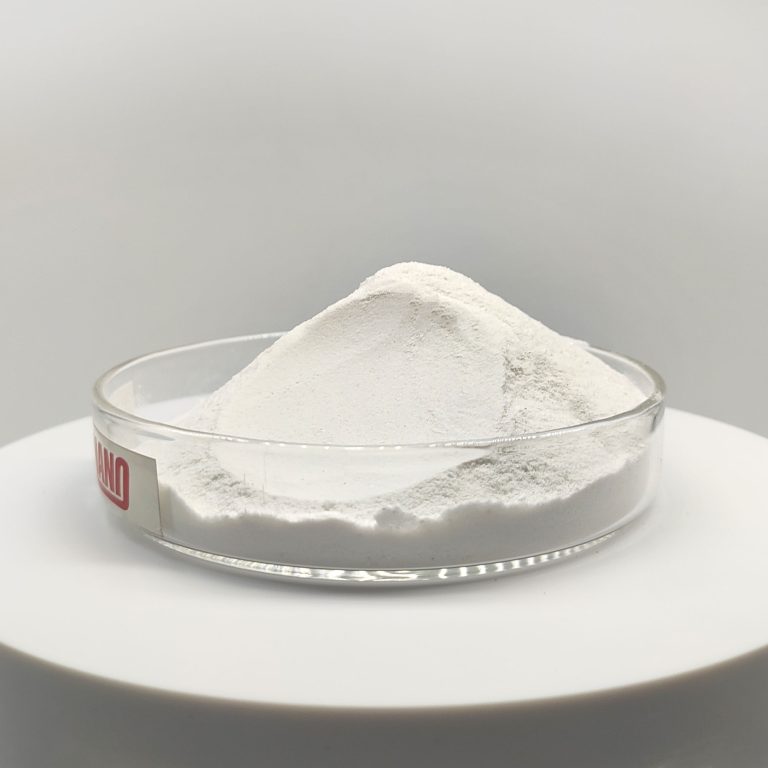
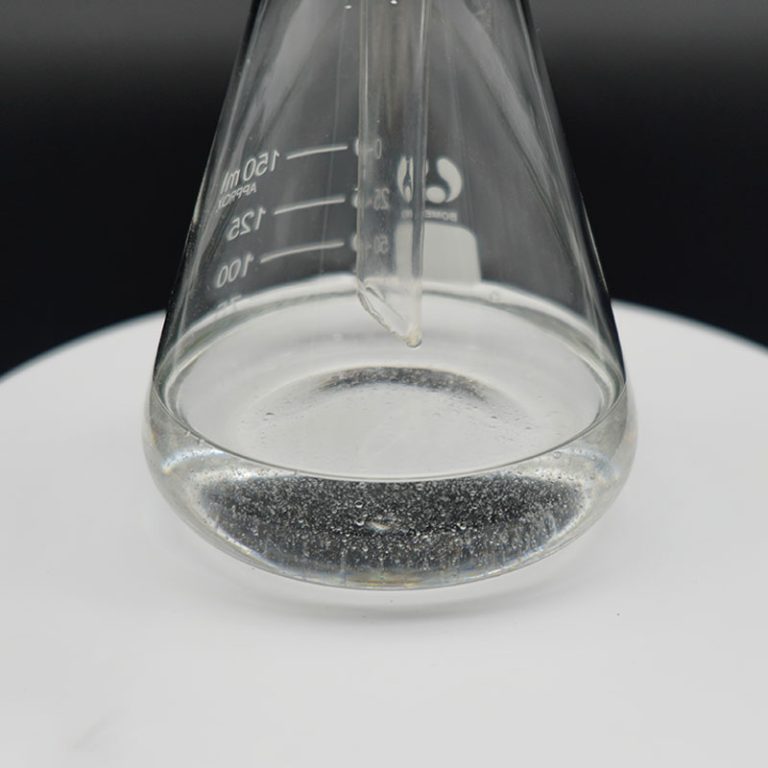
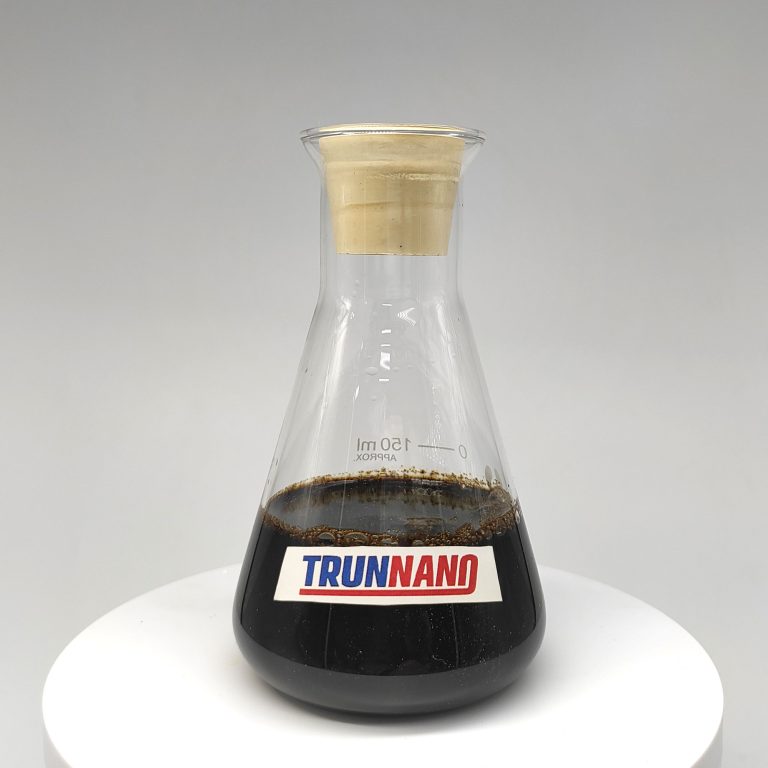
Liquid foaming agent, surfactant, building cement, concrete foaming agent, washing, daily chemical raw materials is a surfactant that generates large quantities of uniform, stable foam through physical or chemical means. When this foam is thoroughly mixed with cement-based slurry (cement, fly ash, etc.) and cured naturally or with steam, it forms a novel lightweight material—foam concrete—internally filled with numerous closed air cells.
Features of Liquid foaming agent, surfactant, building cement, concrete foaming agent, washing, daily chemical raw materials
1. High Foam Multiplication Ratio: High foam multiplication ratio allows for dilution before use. One kilogram of concentrate generates a large volume of uniform foam, delivering significant cost savings.
2. Strong Foam Stability: Produces resilient, uniformly fine foam walls that resist collapse or breakage. Effectively withstands pressure from cement slurry, ensuring independent and sealed air cells within the finished product.
3. Uniform and Fine Pore Structure: The foam concrete exhibits an ideal internal structure of closed spherical micro-pores, guaranteeing superior physical properties.
4. Low Material Consumption: Achieves equivalent density and strength grades with lower dosage than standard market products, reducing costs.
5. Eco-friendly and safe: Neutral formulation, non-toxic, odorless, and non-corrosive, posing no harm to the environment or human health. Classified as a green building material.
6. Wide adaptability: Excellent compatibility with various cements (including ordinary Portland cement and aluminate cement) and admixtures. Rapid foaming action with extended foam stability.

Specifications of Liquid foaming agent, surfactant, building cement, concrete foaming agent, washing, daily chemical raw materials
This liquid foaming agent creates stable, fine bubbles in water. It works well for making lightweight concrete and cement products. Builders use it for foamed concrete blocks, panels, and fill. The foam stays strong during mixing and pouring. This ensures the final concrete has good strength and even air pockets. Low density options are possible.
Surfactants are key ingredients here. They lower water’s surface tension. This lets air mix in easily to form foam. Different surfactants offer various benefits. Some make lots of foam quickly. Others create very stable foam. Some are gentle on skin. You choose based on your needs.
This product is also a strong surfactant. It works great in industrial cleaning and washing products. It cuts through grease and dirt effectively. It helps water wet surfaces better. This makes cleaning easier. It rinses away cleanly too.
Daily chemical makers use these surfactants as raw materials. They go into shampoos, body washes, and hand soaps. They create the rich lather people expect. They help clean skin and hair gently. Other ingredients like thickeners or perfumes are often added later. Common types include Sodium Lauryl Ether Sulfate (SLES) and Sodium Lauryl Sulfate (SLS). Lauryl Glucoside is a milder, plant-based option. Cocamidopropyl Betaine is another gentle foam booster. Potassium Cocoyl Glycinate is known for being mild and skin-friendly. Alpha Olefin Sulfonate (A-O-S or K12) is powerful and cost-effective.
Applications of Liquid foaming agent, surfactant, building cement, concrete foaming agent, washing, daily chemical raw materials
Liquid foaming agents make many everyday products work better. Surfactants are key ingredients inside these agents. They reduce surface tension. This lets water mix easily with oil and grease. Builders use special foaming agents mixed with cement and concrete. These agents create tiny, stable air bubbles inside the mix. The result is lightweight concrete. This foam concrete is easier to handle. It provides good thermal insulation. Builders use it for floors, walls, and roof panels. It saves material costs. It also makes structures lighter.
Surfactants are vital beyond building sites. They are the main active ingredients in cleaning products. You find them in dish soap, laundry detergent, and household cleaners. Their wetting action loosens dirt. Their foaming power helps lift grime away. The foam also makes the product feel effective during use.
Daily chemical manufacturers rely heavily on surfactants. These ingredients go into shampoos, body washes, and hand soaps. They create the rich lather people expect. They help cleanse skin and hair gently. Surfactants also help blend oils and water in lotions and creams. This keeps the product smooth and consistent. They make personal care products feel pleasant and work well. Foaming agents and surfactants solve problems across industries. They make building materials lighter and more insulating. They are essential for effective cleaning and personal care.
Company Profile
We are the global leader in lightweight concrete and advanced engineered foam solutions. Known globally for its commitment to research, innovation, and applied expertise, we have been providing engineered foam solutions since the early 2012’s.
We can supply high-quality concrete admixture and foam concrete related products all over the world.
The company has a professional technical department and quality supervision department, a well-equipped laboratory, and equipped with advanced testing equipment and after-sales customer service center.
If you are interested, please feel free and contact us.
Payment
T/T, Western Union, Paypal, Credit Card etc.
Shipment
By air, by sea, by express, as customers request.
5 FAQs of Liquid foaming agent, surfactant, building cement, concrete foaming agent, washing, daily chemical raw materials
What is liquid foaming agent?
Liquid foaming agent is a special chemical. It makes stable foam. This product uses surfactants. Surfactants lower water’s surface tension. This allows air to mix in easily. It forms many tiny bubbles. The foam lasts a long time.
How does it work in concrete?
Builders add this agent to cement mixes. The agent creates air pockets inside the concrete. This makes the concrete much lighter. It also improves insulation. The concrete stays strong enough. Builders use it for lightweight walls, blocks, and insulation panels.
Why is foam important in building?
Foam makes concrete less dense. This reduces the weight on structures. It saves material costs. The air pockets trap heat well. This improves energy efficiency in buildings. The foam also makes pouring and shaping easier.
Is it used outside construction?
Yes. This agent is used in many everyday products. It’s in shampoos, body washes, and hand soaps. It makes them lather well. It’s also in household cleaners and detergents. It helps lift dirt and grease. The same basic action creates foam for cleaning or personal care.
Is it safe?
Generally, yes. Manufacturers design it for specific uses. Food-grade types exist for some applications. Always follow the product instructions. Handle it with care like other chemicals. It is not meant for eating or drinking.