Professional solutions on concrete addtives, Concrete Foaming Agent, Superplasticizer, CLC Blocks Additives, and foaming machine


PRODUCT PARAMETERS
Description
Introduction of Concrete Repair Mortar, Chemicals and Other Repair Material
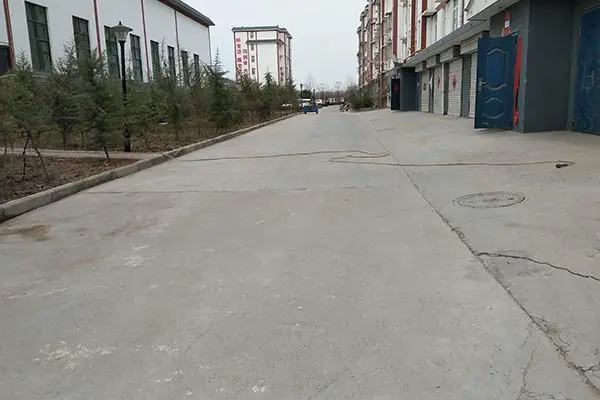
Concrete Repair Mortar, Chemicals and Other Repair Material addresses common issues like cracking, spalling, joint deterioration, and surface scaling in horizontal applications.
Features of Concrete Repair Mortar, Chemicals and Other Repair Material
The collection includes fast-setting, flowable mortars for filling deep cavities and cracks, trowel-grade, non-shrink patching compounds for repairing spalls and vertical edges, and feather-edge toppings for resurfacing wide, shallow areas. Formulated with advanced polymers and cementitious blends, these materials are engineered for use on driveways, warehouse floors, sidewalks, and parking garages.
Whether for a quick commercial maintenance fix or a durable industrial-grade restoration, our products provide a reliable and cost-effective alternative to full-slab replacement, ensuring a smooth, safe, and long-lasting repaired surface.
Concrete Slab Repair Materials are engineered to deliver performance that far exceeds standard cement mixes, offering key advantages in durability, application, and long-term value.
Exceptional Durability and Bond Strength: The primary advantage is the creation of a permanent, high-strength repair. Our products are non-shrink and polymer-modified, ensuring they expand slightly upon setting to form a mechanical lock within the substrate. This results in an exceptional bond strength that prevents delamination and failure, even under heavy traffic and dynamic loads. The repaired area achieves high compressive and flexural strength, matching or exceeding that of the original concrete, which guarantees the repair withstands the test of time and use.
Rapid Set and Early Strength for Minimal Downtime: Time is critical in repair projects. Many of our formulations are rapid-setting, allowing foot traffic in as little as one hour and vehicle traffic often within a few hours. This fast cure time dramatically reduces downtime, enabling businesses, warehouses, and high-traffic public areas to return to service quickly, minimizing operational disruption and associated costs.
Superior Application Properties and Ease of Use: These materials are designed for user-friendly application. Their workable consistency allows for easy troweling or pouring, ensuring excellent consolidation without sagging on vertical edges or slumping in deep fills. Products can be applied in thin, feather-edge profiles or thicker sections, providing great versatility. This ease of use, combined with excellent adhesion to damp substrates and low shrinkage, reduces labor effort and ensures a consistent, high-quality finish with minimal technical skill required.

Specification of Concrete Repair Mortar, Chemicals and Other Repair Material
Concrete repair mortar fixes damaged concrete structures. It’s a special mix designed for patching holes, cracks, and spalled areas. This material bonds strongly to the old concrete surface. It’s tough and resists wear from weather and use. Mortar comes in different types. Some are polymer-modified for better flexibility and adhesion. Others are non-shrink to avoid cracking as they set. You apply it by hand or with a trowel. It fills voids and rebuilds missing sections.
Chemicals are vital for concrete repair too. Bonding agents ensure the new repair sticks securely to the old concrete. They are applied like a primer before putting on the mortar. Epoxy injection resins seal deep cracks from the inside. You pump the liquid epoxy into the crack. It hardens and glues the crack together. Surface sealers protect repaired areas. They block water and chemicals from getting inside. Sealers can be thin films or penetrating types.
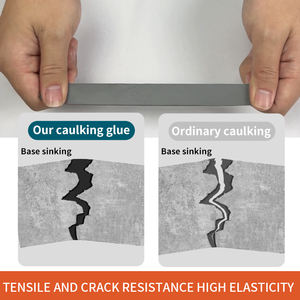
Other materials help complete repairs. Quick-setting cements patch holes fast, especially where water leaks. They harden in minutes. Grouts fill narrow gaps and anchor bolts or machinery. Grout flows easily into tight spaces. Crack fillers seal smaller surface cracks. They are often flexible to handle movement. Fiber reinforcing mesh adds strength to large repairs. You embed it within the mortar layer. Expansion joints need special sealants. These sealants stretch and compress without breaking.
Applications of Concrete Repair Mortar, Chemicals and Other Repair Material
Concrete repair mortar fixes cracks and holes in concrete surfaces. It bonds well to old concrete. This makes structures strong again. Repair chemicals also help. Sealers protect concrete from water and chemicals. Waterproofing stops leaks in basements or tanks. Admixtures improve new concrete mixes. They make concrete stronger or set faster.
Epoxy resins fill fine cracks. They glue cracked pieces together. Epoxy coatings shield floors from wear. Polyurethane sealants close moving joints. They stop water getting in. Injection resins plug leaks behind walls. Carbon fiber strips strengthen beams and columns. They add support without bulk.
Repair materials restore damaged structures. Bridges get new life. Parking decks last longer. Buildings stay safe. Industrial floors resist heavy use. Water tanks hold liquid again. These materials save money. They avoid full replacement. They prevent bigger problems later.
Good repair work needs the right products. Surface prep is key. Cleaning and roughing help bonding. Proper application matters too. Follow instructions carefully. This ensures a lasting fix. Repair materials protect concrete from weather. They guard against freeze-thaw damage. They stop rust in steel reinforcement. This boosts durability overall. Structures serve longer with less maintenance.
Company Profile
We are the global leader in lightweight concrete and advanced engineered foam solutions. Known globally for its commitment to research, innovation, and applied expertise, we have been providing engineered foam solutions since the early 2012’s.
We can supply high-quality concrete admixture and foam concrete related products all over the world.
The company has a professional technical department and quality supervision department, a well-equipped laboratory, and equipped with advanced testing equipment and after-sales customer service center.
If you are interested, please feel free and contact us.
Payment
T/T, Western Union, Paypal, Credit Card etc.
Shipment
By air, by sea, by express, as customers request.
5 FAQs of Concrete Repair Mortar, Chemicals and Other Repair Material
Concrete cracks for many reasons. Water gets in and freezes. Heavy loads push too hard. Bad original concrete mix causes problems. Ground movement shifts things. Old concrete naturally shrinks over time. Fixing cracks stops more damage. Water can’t get inside. The structure stays stronger longer.
Choosing the right repair stuff depends on the problem. Small hairline cracks need thin liquids. These liquids seep deep inside. Bigger holes or chunks missing need thick paste. This paste sticks well and fills spaces. Sometimes you need epoxy glue for really strong bonds. Always check the manufacturer’s instructions. They tell you the best use.
Getting the repair done right matters most. Clean the broken area completely. Remove all loose bits and dust. Wash it well. Let it dry fully. Then put on the primer if needed. This helps the new stuff stick. Mix the repair mortar or glue exactly like it says. Too much water makes it weak. Fill the hole or crack carefully. Press it in firmly. Make the surface smooth. Cover it up if the instructions say so. This keeps it damp while it hardens.
Drying time changes a lot. It depends on the material you use. It depends on how thick you applied it. It depends on the weather. Warm days make it dry faster. Cold days make it take longer. Usually, walking on it takes a day or two. Driving on it takes longer, maybe a week. Always check the bag or bottle. It gives the best guess for your situation.
Good repairs last a long time. They last years if done properly. The key is good preparation. Clean surfaces hold repairs better. Using the exact right material helps. Following the mixing steps exactly matters. The weather during application affects it. Extreme heat or cold is bad. Proper curing makes it strong.