Professional solutions on concrete addtives, Concrete Foaming Agent, Superplasticizer, CLC Blocks Additives, and foaming machine


PRODUCT PARAMETERS
Description
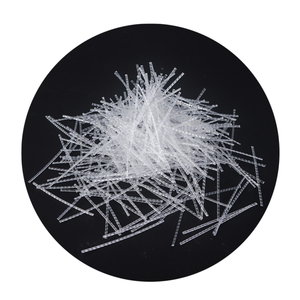
Overview of Concrete Additives for Concrete Reinforcement Polyvinyl Alcohol PVA Fiber Foam Concrete Fiber PVA Fibers
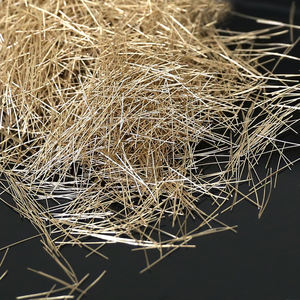
For high-impact resistance, we offer Steel Fibers, an ideal replacement for welded wire mesh in industrial floors and pre-cast elements. We also provide specialized Structural Synthetic Fibers that offer high tensile strength for demanding applications. These fibers are uniformly dispersed throughout the concrete mix, creating a multi-dimensional reinforcement network that traditional methods cannot achieve. This integrated approach simplifies construction, accelerates placement, and enhances the overall integrity and longevity of the concrete, providing a modern answer to age-old cracking and durability challenges.
Features of Concrete Additives for Concrete Reinforcement Polyvinyl Alcohol PVA Fiber Foam Concrete Fiber PVA Fibers
1. Superior Crack Control and Enhanced Durability:
The primary feature of our fibers is their ability to bridge both micro-cracks that form during the plastic state and larger cracks in hardened concrete. This three-dimensional dispersion creates a more cohesive matrix that resists crack propagation. The direct benefit is a significant reduction in both plastic shrinkage cracking and long-term crack width. This leads to a much more durable concrete with lower permeability, which in turn enhances resistance to water ingress, freeze-thaw damage, and corrosion of any embedded steel. The result is a structure with a longer service life and reduced maintenance costs.
2. Increased Impact and Abrasion Resistance:
Fibers, particularly steel and robust synthetic macro fibers, dramatically improve the concrete’s toughness and post-crack performance. They absorb and distribute energy upon impact or loading. This feature provides the benefit of a more resilient surface that is less prone to spalling, chipping, and abrasion under heavy traffic or mechanical wear. This is a critical advantage for industrial floors, warehouse pavements, and infrastructure projects, leading to a harder-wearing surface that maintains its integrity over time.
3. Construction Efficiency and Cost Savings:
A key feature of using fiber reinforcement is the elimination of welded wire mesh (WWF) in many applications. This provides immense on-site benefits: it simplifies placement, as there is no mesh to be set up or potentially displaced, and it accelerates the entire construction process. By removing a labor-intensive step, projects see reduced labor costs and faster project timelines. The uniform distribution of fibers also ensures consistent reinforcement throughout the entire concrete section, unlike mesh, which can be improperly placed, leading to more reliable and predictable performance.

Specifications of Concrete Additives for Concrete Reinforcement Polyvinyl Alcohol PVA Fiber Foam Concrete Fiber PVA Fibers
These concrete additives are specially designed PVA fibers for strengthening concrete. They significantly improve concrete performance in many ways. PVA fibers effectively control cracking. They reduce early plastic shrinkage cracks. They also minimize long-term drying shrinkage cracks. This leads to much more durable concrete structures.
The fibers boast excellent alkali resistance. This is crucial for concrete environments. Ordinary fibers can deteriorate quickly. PVA fibers stay strong within the concrete matrix. Their dispersion properties are very good. They mix easily and evenly throughout the concrete batch. You avoid clumping or balling during mixing. This ensures consistent reinforcement everywhere.
PVA fibers bond exceptionally well with cement paste. This strong bond is vital. It allows the fibers to transfer stress effectively. The fibers bridge across cracks as they form. This bridging action holds cracks tightly together. It prevents cracks from widening further. The result is improved toughness and impact resistance. Fiber-reinforced concrete handles stress better.
Using these fibers enhances the overall durability of concrete. It reduces surface water penetration through cracks. This helps protect the reinforcing steel inside from corrosion. The fibers do not significantly affect the concrete’s workability or slump. You can still place and finish the concrete normally. They are compatible with most common concrete mix designs.
These PVA fibers are suitable for many applications. They work well in foam concrete and lightweight concrete mixes. They are ideal for shotcrete applications. They perform excellently in floor slabs and pavements. They are used in precast concrete elements. They strengthen thin-shell structures effectively. Adding PVA fibers provides reliable reinforcement against cracking. It improves long-term structural integrity. It offers a cost-effective solution for durable concrete construction.
Applications of Concrete Additives for Concrete Reinforcement Polyvinyl Alcohol PVA Fiber Foam Concrete Fiber PVA Fibers
Foam concrete is popular for building. It is light and insulates well. But foam concrete breaks easily. Cracks happen often. This is a problem. Concrete additives help. Polyvinyl Alcohol PVA fibers are a key additive. These fibers are very strong. They are also very flexible. Adding PVA fibers to the foam concrete mix changes things. The fibers spread throughout the wet concrete. They form a network inside. This network holds the concrete together. Think of it like tiny reinforcement bars everywhere. The concrete becomes much tougher. It resists cracking much better. Small cracks that start cannot grow easily. The fibers bridge the cracks. This stops the cracks from getting wider. The concrete stays stronger for longer. It handles stress better. It handles impacts better. It handles movement better. This reinforcement is crucial. It makes foam concrete usable for more things. Structures need reliable materials. PVA fibers provide that reliability. They are better than some other fibers. Steel fibers rust. PVA fibers do not rust. They are chemically stable. They bond very well with the cement paste. This strong bond is important. It means the fibers work effectively inside the concrete. Using PVA fiber is simple. You add it directly to the concrete mix during batching. The process is straightforward. The benefits are clear. You get a stronger, more durable foam concrete. This improved material is used in many places. Builders use it for walls. They use it for floor toppings. They use it for roof insulation. They use it for void filling. They use it for lightweight blocks. Any project needing lightweight concrete needs it strong too. PVA fibers make that possible. They turn a weak material into a practical one. Builders achieve better results. Projects last longer.
Company Profile
We are the global leader in lightweight concrete and advanced engineered foam solutions. Known globally for its commitment to research, innovation, and applied expertise, we have been providing engineered foam solutions since the early 2012’s.
We can supply high-quality concrete admixture and foam concrete related products all over the world.
The company has a professional technical department and quality supervision department, a well-equipped laboratory, and equipped with advanced testing equipment and after-sales customer service center.
If you are interested, please feel free and contact us.
Payment
T/T, Western Union, Paypal, Credit Card etc.
Shipment
By air, by sea, by express, as customers request.
5 FAQs of Concrete Additives for Concrete Reinforcement Polyvinyl Alcohol PVA Fiber Foam Concrete Fiber PVA Fibers
What are PVA fibers?
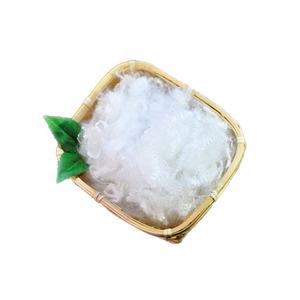
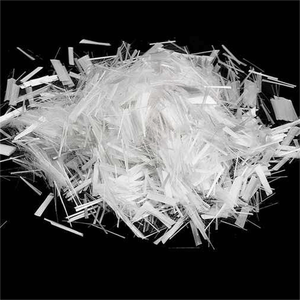
PVA fibers are very thin synthetic strands. They are made from polyvinyl alcohol. People add these fibers directly into concrete mixes. The fibers look like white powder or tiny threads. They mix easily with other concrete materials.
Why use PVA fibers in concrete?
These fibers make concrete much stronger. They help stop cracks from forming. They hold the concrete together better. This is especially important when the concrete first hardens. The fibers reduce cracking caused by shrinkage or stress. They make the concrete tougher overall.
How do PVA fibers help foam concrete?
Foam concrete is lighter but can be weaker. PVA fibers are perfect for this. They reinforce the foam bubbles. The fibers prevent the bubbles from collapsing. They stop the mix from separating too much. This makes the foam concrete stronger and more stable. It also improves the surface finish.
How much PVA fiber should I add?
The amount needed depends on the project. Common usage is between 0.5 and 2 kilograms per cubic meter of concrete. Check the supplier’s recommendations. Higher amounts give more crack resistance. Too much fiber might make mixing harder. Start with the standard dose for your mix design.
How do I mix PVA fibers?
Adding PVA fibers is simple. Put them into the mixer with your other dry materials. Add sand, cement, and fibers together first. Mix them well for a minute or two. Then add your water slowly. Keep mixing until everything looks even. The fibers spread throughout the concrete this way. You don’t need special equipment.