Professional solutions on concrete addtives, Concrete Foaming Agent, Superplasticizer, CLC Blocks Additives, and foaming machine


PRODUCT PARAMETERS
Description
Overview of concrete construction reinforcement Carbon Fiber and epoxy resin carbon fiber fabric
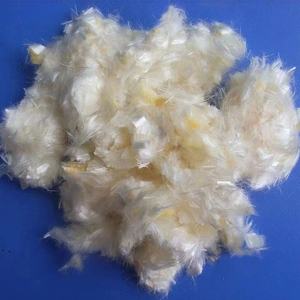
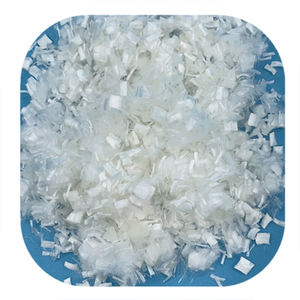
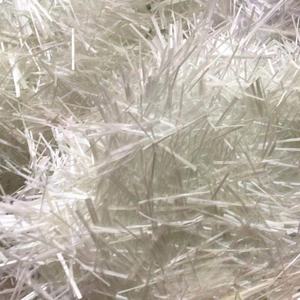
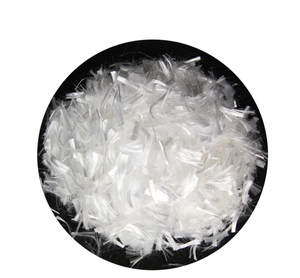
For high-impact resistance, we offer Steel Fibers, an ideal replacement for welded wire mesh in industrial floors and pre-cast elements. We also provide specialized Structural Synthetic Fibers that offer high tensile strength for demanding applications. These fibers are uniformly dispersed throughout the concrete mix, creating a multi-dimensional reinforcement network that traditional methods cannot achieve. This integrated approach simplifies construction, accelerates placement, and enhances the overall integrity and longevity of the concrete, providing a modern answer to age-old cracking and durability challenges.
Features of concrete construction reinforcement Carbon Fiber and epoxy resin carbon fiber fabric
1. Superior Crack Control and Enhanced Durability:
The primary feature of our fibers is their ability to bridge both micro-cracks that form during the plastic state and larger cracks in hardened concrete. This three-dimensional dispersion creates a more cohesive matrix that resists crack propagation. The direct benefit is a significant reduction in both plastic shrinkage cracking and long-term crack width. This leads to a much more durable concrete with lower permeability, which in turn enhances resistance to water ingress, freeze-thaw damage, and corrosion of any embedded steel. The result is a structure with a longer service life and reduced maintenance costs.
2. Increased Impact and Abrasion Resistance:
Fibers, particularly steel and robust synthetic macro fibers, dramatically improve the concrete’s toughness and post-crack performance. They absorb and distribute energy upon impact or loading. This feature provides the benefit of a more resilient surface that is less prone to spalling, chipping, and abrasion under heavy traffic or mechanical wear. This is a critical advantage for industrial floors, warehouse pavements, and infrastructure projects, leading to a harder-wearing surface that maintains its integrity over time.
3. Construction Efficiency and Cost Savings:
A key feature of using fiber reinforcement is the elimination of welded wire mesh (WWF) in many applications. This provides immense on-site benefits: it simplifies placement, as there is no mesh to be set up or potentially displaced, and it accelerates the entire construction process. By removing a labor-intensive step, projects see reduced labor costs and faster project timelines. The uniform distribution of fibers also ensures consistent reinforcement throughout the entire concrete section, unlike mesh, which can be improperly placed, leading to more reliable and predictable performance.

Specifications of concrete construction reinforcement Carbon Fiber and epoxy resin carbon fiber fabric
This carbon fiber textile strengthens concrete structures. It combines carbon fibers with epoxy resin. The textile is unbelievably strong. It is light-weight too. Carbon fiber resists corrosion. Steel support rusts gradually. This material lasts longer. It takes care of tough conditions well.
The textile comes in rolls. You sufficed to fit your task. You apply epoxy material initially. The resin acts like adhesive. You place the material onto the resin. You push it down strongly. You include much more resin on the top. This secures the material totally. The resin saturates into the textile. It bonds snugly to the concrete surface.
This system adds considerable stamina. It improves exactly how the concrete takes care of stress. Tension forces attempt to draw concrete apart. Carbon fiber is very good at withstanding this pull. It makes light beams, columns, and pieces much stronger. You can repair existing fractures. You can stop future cracks as well. It quits concrete from flexing excessive.
The setup is relatively fast. It calls for much less labor than adding steel plates. You avoid heavy machinery frequently needed for steel. There is no welding involved. The website stays cleaner. Work earnings much faster. You return to making use of the structure faster. The product is thin. It adds nearly no weight. This is very important for older structures. The product is versatile. You apply it to wall surfaces, beams, bridges, and smokeshafts. It deals with rounded surfaces quickly. Steel plates are tougher to shape.
Appropriate surface prep is crucial. The concrete must be clean and sound. You grind off any loose product. You fix significant flaws initially. The epoxy material needs certain temperature levels. It normally needs at the very least 50 levels Fahrenheit. You should adhere to the supplier’s instructions specifically. Store the fabric and material properly before usage. Keep them dry and out of straight sunlight.
Applications of concrete construction reinforcement Carbon Fiber and epoxy resin carbon fiber fabric
Carbon fiber fabric and epoxy resin strengthen concrete frameworks. They produce an effective reinforcement system. This approach solutions damaged concrete or upgrades existing frameworks. It’s various from traditional steel rebar. Steel rusts in time. Corrosion damages concrete. Carbon fiber does not rust. This is a big benefit. The material lasts much longer.
The textile is extremely solid. It’s additionally incredibly light. Employees handle it conveniently. Using it is uncomplicated. First, employees clean up the concrete surface. They make it harsh for a good bond. Next, they brush epoxy resin onto the concrete. They push the carbon fiber textile right into the wet material. They add much more material on top. This saturates the textile. The material hardens. It bonds the material securely to the concrete. The carbon fiber carries heavy loads. It quits splits from spreading. It makes light beams, columns, and walls a lot more powerful.
This support works well for several problems. It fixes bridges, parking garages, and buildings. It enhances columns standing up hefty weights. It supports beam of lights bring huge lots. It makes wall surfaces resist quakes much better. Occasionally it changes steel plates. Steel plates are hefty and difficult to set up. Carbon fiber is light and versatile. It bends to fit curved surface areas. The application is quickly. It creates little disruption. There’s no requirement for heavy machinery. Structures remain usable during the job. This conserves time and money. It stays clear of lengthy shutdowns. The result is a stronger structure. It deals with bigger lots safely. It lasts for decades without rusting. It’s a smart service for concrete repair and fortifying.
Company Profile
We are the global leader in lightweight concrete and advanced engineered foam solutions. Known globally for its commitment to research, innovation, and applied expertise, we have been providing engineered foam solutions since the early 2012’s.
We can supply high-quality concrete admixture and foam concrete related products all over the world.
The company has a professional technical department and quality supervision department, a well-equipped laboratory, and equipped with advanced testing equipment and after-sales customer service center.
If you are interested, please feel free and contact us.
Payment
T/T, Western Union, Paypal, Credit Card etc.
Shipment
By air, by sea, by express, as customers request.
5 FAQs of concrete construction reinforcement Carbon Fiber and epoxy resin carbon fiber fabric
Here are five common questions about concrete reinforcement using carbon fiber fabric and epoxy resin. What is carbon fiber fabric for concrete? It is a strong, flexible material made from carbon fibers. Builders use it with epoxy resin to strengthen existing concrete structures. This creates a very strong composite layer on the concrete surface. Why choose carbon fiber over steel reinforcement? Carbon fiber is much lighter than steel. It also has a much higher strength-to-weight ratio. Carbon fiber won’t rust or corrode like steel. This makes it great for structures exposed to water or chemicals. How does the carbon fiber bond to the concrete? The epoxy resin acts like a super strong glue. It soaks into the concrete surface. It also bonds tightly to the carbon fiber fabric. This creates a solid connection between the concrete and the reinforcement. How long does carbon fiber reinforcement last? The carbon fiber itself lasts a very long time. Its lifespan depends heavily on the epoxy resin. High-quality epoxy protects the carbon fiber. It ensures the bond stays strong for decades. Proper surface preparation is crucial for long-term performance. How is carbon fiber fabric installed? Workers first clean the concrete surface thoroughly. They apply a layer of epoxy resin. Then they press the carbon fiber fabric into the wet epoxy. They add more epoxy on top to fully saturate the fabric. The system cures and hardens.