Professional solutions on concrete addtives, Concrete Foaming Agent, Superplasticizer, CLC Blocks Additives, and foaming machine


PRODUCT PARAMETERS
Description
Overview of High temperature carbon fiber concrete castable mortar refractory concrete for precast furnace parts
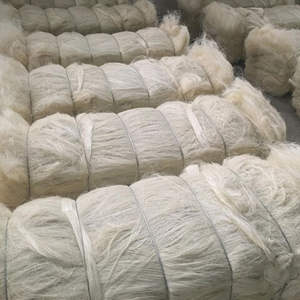
For high-impact resistance, we offer Steel Fibers, an ideal replacement for welded wire mesh in industrial floors and pre-cast elements. We also provide specialized Structural Synthetic Fibers that offer high tensile strength for demanding applications. These fibers are uniformly dispersed throughout the concrete mix, creating a multi-dimensional reinforcement network that traditional methods cannot achieve. This integrated approach simplifies construction, accelerates placement, and enhances the overall integrity and longevity of the concrete, providing a modern answer to age-old cracking and durability challenges.
Features of High temperature carbon fiber concrete castable mortar refractory concrete for precast furnace parts
1. Superior Crack Control and Enhanced Durability:
The primary feature of our fibers is their ability to bridge both micro-cracks that form during the plastic state and larger cracks in hardened concrete. This three-dimensional dispersion creates a more cohesive matrix that resists crack propagation. The direct benefit is a significant reduction in both plastic shrinkage cracking and long-term crack width. This leads to a much more durable concrete with lower permeability, which in turn enhances resistance to water ingress, freeze-thaw damage, and corrosion of any embedded steel. The result is a structure with a longer service life and reduced maintenance costs.
2. Increased Impact and Abrasion Resistance:
Fibers, particularly steel and robust synthetic macro fibers, dramatically improve the concrete’s toughness and post-crack performance. They absorb and distribute energy upon impact or loading. This feature provides the benefit of a more resilient surface that is less prone to spalling, chipping, and abrasion under heavy traffic or mechanical wear. This is a critical advantage for industrial floors, warehouse pavements, and infrastructure projects, leading to a harder-wearing surface that maintains its integrity over time.
3. Construction Efficiency and Cost Savings:
A key feature of using fiber reinforcement is the elimination of welded wire mesh (WWF) in many applications. This provides immense on-site benefits: it simplifies placement, as there is no mesh to be set up or potentially displaced, and it accelerates the entire construction process. By removing a labor-intensive step, projects see reduced labor costs and faster project timelines. The uniform distribution of fibers also ensures consistent reinforcement throughout the entire concrete section, unlike mesh, which can be improperly placed, leading to more reliable and predictable performance.

Specifications of High temperature carbon fiber concrete castable mortar refractory concrete for precast furnace parts
This material is a special kind of concrete mix. It’s designed for extremely hot places like furnaces. We call it high temperature carbon fiber concrete castable mortar refractory concrete. That’s a long name. It means a strong paste you can pour. It sets hard. It handles intense heat without breaking down. This makes it perfect for making furnace parts before installation. These parts are called precast furnace parts.
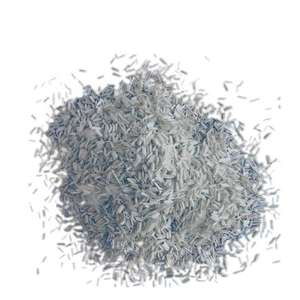
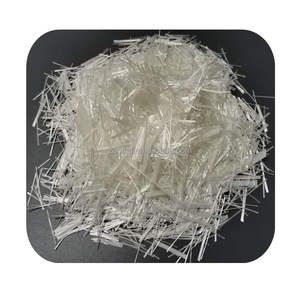
The mix contains special ingredients. It uses high-purity refractory aggregates. These are minerals that resist heat very well. It also uses specific binding agents. These agents hold everything together strongly. Crucially, it incorporates carbon fibers. These tiny fibers are added throughout the mix. The carbon fibers make the concrete much tougher. They help prevent cracks. They stop the material from breaking under stress or sudden temperature changes.
This refractory concrete offers several key benefits. Its main strength is resisting high temperatures. It can withstand over 3000 degrees Fahrenheit. That’s incredibly hot. It also possesses excellent thermal shock resistance. This means it doesn’t crack when temperatures change rapidly. The carbon fibers greatly improve its mechanical strength. The cured concrete is very dense. It has low porosity. This density helps it resist chemical attacks from hot gases or molten materials. It performs well against slag corrosion too.
This product is easy to use. You mix it with water. Then you pour or cast it into molds. You can shape it into complex forms easily. After it sets, it becomes a strong, solid piece. It’s ideal for creating custom furnace linings, burner blocks, or other hot zone components. These parts are made off-site. Then they are installed later. This saves time during furnace construction or repair. Using precast parts improves efficiency. It ensures consistent quality for critical furnace components.
Applications of High temperature carbon fiber concrete castable mortar refractory concrete for precast furnace parts
High temperature carbon fiber concrete castable mortar refractory concrete is a special material. It is designed for very hot environments, like furnaces. This concrete handles intense heat well. It doesn’t break down easily under these conditions. People use it to make precast furnace parts. This means the parts are formed and hardened before installation. It saves time at the job site.
This material is strong. The carbon fibers inside give it extra strength. These fibers help prevent cracks. Cracks are a big problem in hot furnaces. The concrete sticks well to old surfaces too. This makes it good for repairs. You can fix worn-out sections of a furnace. It bonds strongly to the existing structure.
Its main use is creating specific furnace components. Burner blocks are a common application. These blocks direct flames and heat inside the furnace. Furnace linings benefit greatly from this concrete. The linings face the highest temperatures directly. Precast shapes made from it line the furnace walls and roof. These shapes fit together precisely. It ensures a tight, protective layer against heat.
It is also used for special parts like flues and ducts. These parts carry hot gases away. They need to resist heat and wear. Repairing damaged areas is another key application. You can patch holes or thin spots in furnace linings. This extends the furnace’s working life. The material sets quickly. Downtime for repairs is shorter.
The carbon fibers are important. They make the concrete tougher. It doesn’t crack or crumble as easily as plain refractory concrete. This leads to longer-lasting furnace parts. Less maintenance is needed. Furnaces stay operational for more time. Production runs can be longer. Overall costs for furnace upkeep may go down.
Company Profile
We are the global leader in lightweight concrete and advanced engineered foam solutions. Known globally for its commitment to research, innovation, and applied expertise, we have been providing engineered foam solutions since the early 2012’s.
We can supply high-quality concrete admixture and foam concrete related products all over the world.
The company has a professional technical department and quality supervision department, a well-equipped laboratory, and equipped with advanced testing equipment and after-sales customer service center.
If you are interested, please feel free and contact us.
Payment
T/T, Western Union, Paypal, Credit Card etc.
Shipment
By air, by sea, by express, as customers request.
5 FAQs of High temperature carbon fiber concrete castable mortar refractory concrete for precast furnace parts
What is high temperature carbon fiber concrete castable mortar?
It is a special refractory concrete mix. It handles extreme heat. You pour it like regular concrete. People use it to make furnace parts before installing them. These parts include linings, burner blocks, and special shapes. Carbon fiber strands are mixed in. This adds strength.
What temperatures can this concrete handle?
This material handles very high heat. It works well above 2000 degrees Fahrenheit. It often withstands temperatures near 3000 degrees Fahrenheit. This depends on the exact mix recipe. The carbon fiber helps it resist cracking under heat stress.
Why add carbon fiber to the concrete?
Adding carbon fiber makes the concrete stronger. The fibers stop cracks from spreading fast. The concrete stays tougher after drying and firing. It resists breaking from sudden temperature changes better. This means the furnace parts last longer.
How do you install precast parts made from this?
You install precast furnace parts like blocks. First, make the parts using molds. Let them cure properly. Then, place them in the furnace. Fit them tightly together. Use a special high-temperature mortar between joints. This seals the gaps well.
Does it need special curing or drying?
Yes, curing matters a lot. Let the cast parts sit moist for a day or two. This helps them gain initial strength. Then, dry them slowly. Remove water carefully. Finally, heat them up gradually before full use. This prevents damage.