Professional solutions on concrete addtives, Concrete Foaming Agent, Superplasticizer, CLC Blocks Additives, and foaming machine


PRODUCT PARAMETERS
Description
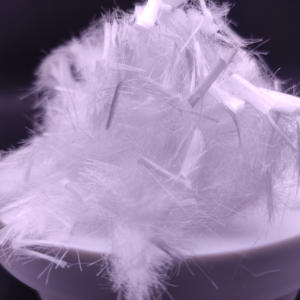
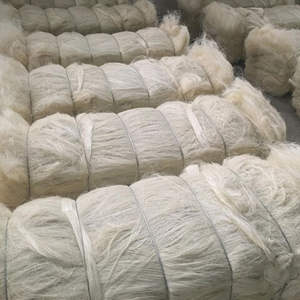
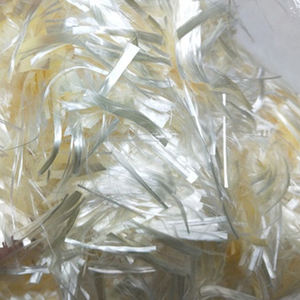
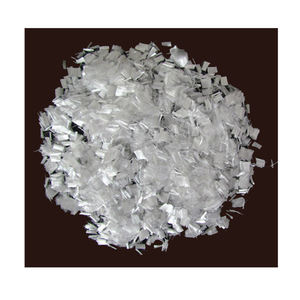
Overview of High Tenacity Concrete Fiber 6-25mm PVA Fiber
For high-impact resistance, we offer Steel Fibers, an ideal replacement for welded wire mesh in industrial floors and pre-cast elements. We also provide specialized Structural Synthetic Fibers that offer high tensile strength for demanding applications. These fibers are uniformly dispersed throughout the concrete mix, creating a multi-dimensional reinforcement network that traditional methods cannot achieve. This integrated approach simplifies construction, accelerates placement, and enhances the overall integrity and longevity of the concrete, providing a modern answer to age-old cracking and durability challenges.
Features of High Tenacity Concrete Fiber 6-25mm PVA Fiber
1. Superior Crack Control and Enhanced Durability:
The primary feature of our fibers is their ability to bridge both micro-cracks that form during the plastic state and larger cracks in hardened concrete. This three-dimensional dispersion creates a more cohesive matrix that resists crack propagation. The direct benefit is a significant reduction in both plastic shrinkage cracking and long-term crack width. This leads to a much more durable concrete with lower permeability, which in turn enhances resistance to water ingress, freeze-thaw damage, and corrosion of any embedded steel. The result is a structure with a longer service life and reduced maintenance costs.
2. Increased Impact and Abrasion Resistance:
Fibers, particularly steel and robust synthetic macro fibers, dramatically improve the concrete’s toughness and post-crack performance. They absorb and distribute energy upon impact or loading. This feature provides the benefit of a more resilient surface that is less prone to spalling, chipping, and abrasion under heavy traffic or mechanical wear. This is a critical advantage for industrial floors, warehouse pavements, and infrastructure projects, leading to a harder-wearing surface that maintains its integrity over time.
3. Construction Efficiency and Cost Savings:
A key feature of using fiber reinforcement is the elimination of welded wire mesh (WWF) in many applications. This provides immense on-site benefits: it simplifies placement, as there is no mesh to be set up or potentially displaced, and it accelerates the entire construction process. By removing a labor-intensive step, projects see reduced labor costs and faster project timelines. The uniform distribution of fibers also ensures consistent reinforcement throughout the entire concrete section, unlike mesh, which can be improperly placed, leading to more reliable and predictable performance.

Specifications of High Tenacity Concrete Fiber 6-25mm PVA Fiber
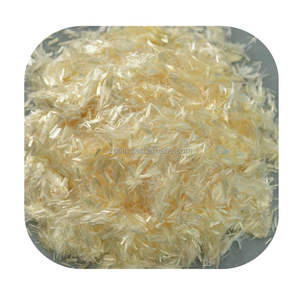
High persistence concrete fiber PVA fiber measures 6-25mm. This fiber is made from hard polyvinyl alcohol. It’s strong and will not break conveniently. The fibers are straight and smooth. They blend extremely well into concrete. You get even distribution throughout the mix. This quits fibers from clumping with each other.
The fiber size is very fine. This large surface bonds firmly with the concrete paste. It develops a solid grasp. The fibers resist alkalis well. They won’t rot or degeneration in concrete. They stay stable in the wet, alkaline atmosphere inside concrete. Dampness does not make them swell much. This stability is essential for long-term performance.
Adding these fibers to concrete controls fractures. They quit tiny plastic contraction fractures from forming at an early stage. They also assist control splits that happen later on as concrete dries and hardens. The fibers bridge across splits. This holds the concrete with each other. It enhances toughness and influence resistance. The concrete can soak up more energy without failing.
This fiber does not change steel support. It functions alongside rebar or mesh. It takes on smaller splits steel can not regulate. Use it in commercial floors, storage facility slabs, and pavements. It’s good for overlays and toppings. Precast concrete components take advantage of it too. Shotcrete applications utilize this fiber effectively. Add it directly to the concrete mix during batching. Comply with the vendor’s recommended dose rate. This guarantees the very best outcomes.
Applications of High Tenacity Concrete Fiber 6-25mm PVA Fiber
High tenacity PVA fiber for concrete comes in lengths from 6mm to 25mm. This solid artificial fiber adds toughness to routine concrete mixes. Workers blend these fibers into concrete. The fibers spread out evenly throughout. They act like an additional support system inside the concrete mass.
The primary job is regulating fractures. Concrete shrinks as it dries out. This shrinking commonly triggers splits. PVA fibers bridge across these tiny splits as they form. They hold the concrete together securely. This substantially minimizes early-age plastic contraction cracking. It additionally assists control longer-term drying contraction fractures. The outcome is a far more sturdy concrete surface. It looks much better and lasts much longer.
PVA fiber concrete manages influences much better. It soaks up extra energy prior to damaging. This makes it excellent for hard commercial floorings. Forklifts and heavy equipment operate on these floorings daily. The fiber reinforcement avoids chipping and surface area damages. Storehouses and manufacturing facilities use it extensively. Parking garages likewise take advantage of the improved surface durability.
Tunnel cellular linings require solid concrete. Shotcrete applications use PVA fiber a great deal. Workers spray the fiber-reinforced concrete onto tunnel wall surfaces. The fibers help hold the wet mix in area. They decrease rebound during splashing. They also avoid cracking in the completed cellular lining. Below ground structures deal with consistent stress. PVA fiber assists the concrete hold up against these forces.
Precast concrete components use this fiber. Makers generate things like panels, pipelines, and blocks. Including PVA fiber minimizes damage throughout handling. It makes the items tougher. Delivering and mounting precast pieces is rough. The fiber support decreases damage. It guarantees components arrive on website intact.
Sidewalk overlays obtain a boost from PVA fiber. Roadways and bridges need resurfacing gradually. Applying a thin concrete layer with fiber protects against reflective cracking. Splits from the old layer listed below will not easily come via. The fiber holds the new surface together. This expands the life of the repair work considerably. Joints in concrete slabs additionally do much better with fiber reinforcement nearby.
Water storage tanks and reservoirs need water tight concrete. PVA fiber helps in reducing fracture development. Much less cracking means much less leakage. It enhances the structure’s capability to hold water efficiently. Marine structures encounter saltwater and freeze-thaw cycles. The fiber boosts concrete’s resistance to this extreme atmosphere. It protects the product from scaling and wear and tear.
Company Profile
We are the global leader in lightweight concrete and advanced engineered foam solutions. Known globally for its commitment to research, innovation, and applied expertise, we have been providing engineered foam solutions since the early 2012’s.
We can supply high-quality concrete admixture and foam concrete related products all over the world.
The company has a professional technical department and quality supervision department, a well-equipped laboratory, and equipped with advanced testing equipment and after-sales customer service center.
If you are interested, please feel free and contact us.
Payment
T/T, Western Union, Paypal, Credit Card etc.
Shipment
By air, by sea, by express, as customers request.
5 FAQs of High Tenacity Concrete Fiber 6-25mm PVA Fiber
What is High Tenacity Concrete Fiber?
This is a special synthetic fiber made from Polyvinyl Alcohol. It’s designed specifically for mixing into concrete. The fibers are 6 to 25 millimeters long. They are very strong and resist stretching. Their job is to make the concrete itself tougher.
Why use PVA Fiber in concrete?
Regular concrete cracks easily under stress or when it shrinks. PVA fibers bridge these cracks as they start to form. This makes the concrete much harder to break. It significantly reduces cracking and spalling. The concrete becomes more durable and lasts longer. You get a better final product.
How much fiber do I add per cubic meter?
The right amount depends on your specific project needs. Think about the concrete mix design and the performance level you require. A common starting point is between 0.5 and 2.0 kilograms of fiber per cubic meter of concrete. Always check the manufacturer’s recommendations for your exact fiber type. They know their product best.
Is mixing PVA Fiber difficult?
No, it’s straightforward. Add the fibers directly into the concrete mixer along with the other dry ingredients like sand and cement. Mix thoroughly. Make sure the fibers spread evenly throughout the mix. Avoid dumping large clumps of fiber in at once. This prevents balling. Good mixing is key for the fibers to work properly.
Is PVA Fiber cost-effective?
Yes, it usually is. The fiber itself adds some cost to the concrete mix. Consider the big picture. Using fiber greatly reduces plastic shrinkage cracks and drying shrinkage cracks. This means less maintenance and repair work later. The structure lasts longer. The long-term savings on repairs often outweigh the initial fiber cost. It’s a smart investment for quality.