Professional solutions on concrete addtives, Concrete Foaming Agent, Superplasticizer, CLC Blocks Additives, and foaming machine



PRODUCT PARAMETERS
Description
Overview of Improve Concrete Material To Improve Seismic Performance Of Steel Fiber
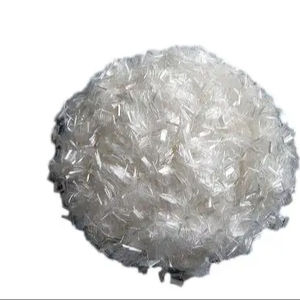
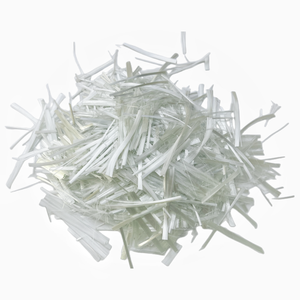
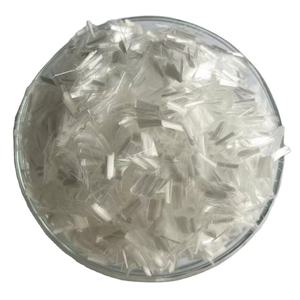
For high-impact resistance, we offer Steel Fibers, an ideal replacement for welded wire mesh in industrial floors and pre-cast elements. We also provide specialized Structural Synthetic Fibers that offer high tensile strength for demanding applications. These fibers are uniformly dispersed throughout the concrete mix, creating a multi-dimensional reinforcement network that traditional methods cannot achieve. This integrated approach simplifies construction, accelerates placement, and enhances the overall integrity and longevity of the concrete, providing a modern answer to age-old cracking and durability challenges.
Features of Improve Concrete Material To Improve Seismic Performance Of Steel Fiber
1. Superior Crack Control and Enhanced Durability:
The primary feature of our fibers is their ability to bridge both micro-cracks that form during the plastic state and larger cracks in hardened concrete. This three-dimensional dispersion creates a more cohesive matrix that resists crack propagation. The direct benefit is a significant reduction in both plastic shrinkage cracking and long-term crack width. This leads to a much more durable concrete with lower permeability, which in turn enhances resistance to water ingress, freeze-thaw damage, and corrosion of any embedded steel. The result is a structure with a longer service life and reduced maintenance costs.
2. Increased Impact and Abrasion Resistance:
Fibers, particularly steel and robust synthetic macro fibers, dramatically improve the concrete’s toughness and post-crack performance. They absorb and distribute energy upon impact or loading. This feature provides the benefit of a more resilient surface that is less prone to spalling, chipping, and abrasion under heavy traffic or mechanical wear. This is a critical advantage for industrial floors, warehouse pavements, and infrastructure projects, leading to a harder-wearing surface that maintains its integrity over time.
3. Construction Efficiency and Cost Savings:
A key feature of using fiber reinforcement is the elimination of welded wire mesh (WWF) in many applications. This provides immense on-site benefits: it simplifies placement, as there is no mesh to be set up or potentially displaced, and it accelerates the entire construction process. By removing a labor-intensive step, projects see reduced labor costs and faster project timelines. The uniform distribution of fibers also ensures consistent reinforcement throughout the entire concrete section, unlike mesh, which can be improperly placed, leading to more reliable and predictable performance.

Specifications of Improve Concrete Material To Improve Seismic Performance Of Steel Fiber
This item makes use of steel fibers to make concrete more powerful during quakes. Routine concrete fractures easily under stress and anxiety. Steel fibers mixed into the concrete bridge these cracks. This holds the concrete together better when the ground trembles.
The fibers are made from solid, high-carbon steel. They are hooked at the ends. This hook form aids them grip the concrete snugly. Fiber length is typically 50 to 60 millimeters. Diameter is about 0.75 millimeters. The aspect proportion, length to size, is around 65 to 80. This shape provides the very best pull-out resistance and bonding.
Dosage is important. We utilize 20 to 40 kilos of fibers per cubic meter of concrete. This amount provides the needed support. Too few fibers will not assist much. Too many can make the concrete tough to work with. The mix design balances fiber web content with workability.
Adding these fibers dramatically improves concrete durability. Sturdiness implies the material absorbs power consistently. The fibers regulate crack size. They keep structural honesty after splitting starts. This stops sudden collapse. The concrete gains greater residual stamina. It reveals much better ductility under cyclic loading, like quake pressures. Impact resistance additionally increases. The fibers assist the framework endure seismic events. They lower damage and enhance security.
Applications of Improve Concrete Material To Improve Seismic Performance Of Steel Fiber
Steel fiber concrete uses a strong option for better quake security in structures. Typical concrete splits easily under shaking. This causes collapse. Steel fibers blended right into the concrete modification its behavior dramatically. These tiny fibers imitate inner reinforcement. They bridge fractures creating throughout a quake. This holds the concrete with each other much better. Fracture sizes stay smaller sized. This prevents big items breaking short.
The fibers make the concrete less fragile. It obtains strength. This means it can soak up a lot more power from the shaking ground. Instead of breaking instantly, the concrete can bend and flaw somewhat. This ductility is crucial for seismic performance. Frameworks require to persuade without falling apart. Steel fiber concrete helps achieve this regulated flexibility.
It works alongside typical steel rebar. The fibers do not change rebar. They give additional crack control and strength. This mix is very effective. Trick applications include crucial joints in structures. Beam-column links see substantial anxiety throughout quakes. Fibers prevent squashing and spalling below. Tunnel linings likewise profit. Ground movement during trembling can fracture linings. Fibers keep them intact. Precast concrete components like wall surface panels execute much better too. The fibers minimize damage during transport and setup. They also enhance seismic resistance after positioning. Industrial floorings in quake areas get extra durability. Bridge decks and abutments also see better efficiency. The fibers help these components endure duplicated trembling cycles. They minimize total damage. This maintains architectural stability much longer. Repair prices go down after an occasion. Safety and security for occupants increases dramatically. Utilizing steel fiber concrete is a wise means to build stronger, extra durable structures in earthquake-prone locations.
Company Profile
We are the global leader in lightweight concrete and advanced engineered foam solutions. Known globally for its commitment to research, innovation, and applied expertise, we have been providing engineered foam solutions since the early 2012’s.
We can supply high-quality concrete admixture and foam concrete related products all over the world.
The company has a professional technical department and quality supervision department, a well-equipped laboratory, and equipped with advanced testing equipment and after-sales customer service center.
If you are interested, please feel free and contact us.
Payment
T/T, Western Union, Paypal, Credit Card etc.
Shipment
By air, by sea, by express, as customers request.
5 FAQs of Improve Concrete Material To Improve Seismic Performance Of Steel Fiber
Why use steel fibers in concrete for earthquakes?
Steel fibers make concrete tougher. They help concrete resist cracking when the ground shakes violently. Normal concrete cracks easily under seismic stress. Fibers bridge these cracks. They hold the concrete together better after cracking starts. This prevents big chunks breaking off. It helps structures stay standing longer during an earthquake.
How do steel fibers actually work inside the concrete?
The fibers spread randomly throughout the mix. When tiny cracks form, the fibers cross them. The fibers pull out slowly instead of letting the crack rip open fast. This action absorbs seismic energy. It turns a sudden break into a slower, controlled failure. The concrete stays more intact. This gives people more time to evacuate safely.
What types of steel fibers are best for quakes?
Different fiber shapes exist. Hooked-end or crimped fibers usually perform best for seismic needs. Their special shape grips the concrete tighter. This makes them harder to pull out. They provide better crack resistance. Straight fibers are cheaper but slip out easier. Hooked fibers offer superior pull-out resistance. This is crucial for earthquake loads.
Where do you typically use this fiber-reinforced concrete?
Use it in critical zones prone to high stress. These include beam-column joints in frames. Also use it in coupling beams of shear walls. Use it in structural walls themselves. These areas experience intense forces during shaking. Fibers boost ductility and toughness exactly where it matters most. They complement traditional steel rebar.
Can steel fibers replace rebar entirely in seismic design?
No, they cannot replace rebar. Steel fibers are an addition, not a substitute. Rebar provides the main strength to resist bending and tension. Fibers mainly improve toughness and control cracking after the concrete yields. Current building codes still require properly designed rebar cages. Fibers add an extra layer of safety and damage control.