Professional solutions on concrete addtives, Concrete Foaming Agent, Superplasticizer, CLC Blocks Additives, and foaming machine


PRODUCT PARAMETERS
Description
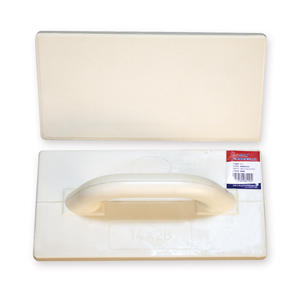
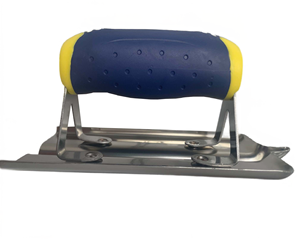
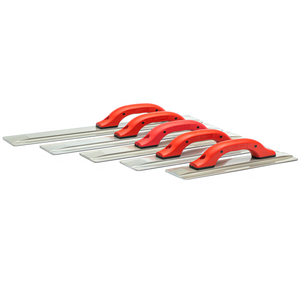
Overview of Concrete Cement Drywall Trowel
The Concrete Tools product line provides comprehensive solutions for contractors, tradespeople, and dedicated DIYers working with concrete. Our catalog is systematically organized to support every critical phase of the concrete workflow.
Features of Concrete Cement Drywall Trowel
It begins with Mixing & Transport, featuring sturdy mortar tubs and mixing carts for preparing and moving material. Next, the Placing & Leveling section offers a variety of trowels, floats, and screeds to spread and initially level the concrete slab. For the Finishing & Polishing stage, we supply everything from hand edgers to power trowels, enabling a smooth, dense, and professional-grade surface. Finally, our Texturing & Stamping collection includes imprint mats and texture rollers to create beautiful, durable finishes that mimic stone, brick, or wood.
Whether you’re pouring a foundation, a patio, or a decorative walkway, Concrete Tools provides the reliable equipment you need to execute the job efficiently and to the highest standard.
The products within the Concrete Tools column are engineered to meet the rigorous demands of concrete work, offering distinct advantages that enhance productivity, results, and long-term value.
Unmatched Durability and Longevity: Concrete is abrasive and corrosive. Our tools are constructed from high-grade materials like high-carbon steel and forged alloys, often featuring protective coatings to resist rust and wear. This robust construction ensures they withstand daily job site abuse, significantly outlasting conventional tools and providing a better return on investment over time.
Ergonomic Design for Enhanced Control and Comfort: We prioritize the user’s experience. Hand tools are equipped with contoured, non-slip grips that reduce hand and wrist fatigue, allowing for longer, more comfortable work periods. The optimal balance and weight distribution of our trowels and floats provide superior control and a “”feel”” for the material, leading to a flatter, more consistent finish and reduced rework.
Innovation and Functional Versatility: Our product line continuously evolves to incorporate new solutions. This includes specialized tools for intricate edging and jointing, as well as innovative stamping mats that create deeper, more realistic texture patterns. This variety ensures that professionals have access to the right tool for both standard tasks and unique design challenges, fostering creativity and efficiency on diverse projects, from simple slabs to complex architectural elements.”

Specifications of Concrete Cement Drywall Trowel
This trowel is for spreading concrete cement onto drywall surfaces. It gives a smooth finish. The blade is made from strong high-carbon steel. This steel lasts a long time. It resists bending or breaking. The blade stays sharp for many uses. The blade comes in different sizes. Common sizes are 11 inches, 12 inches, and 14 inches wide. Choose the size that fits your job best. The handle is attached to the blade. It is made from durable plastic or sturdy wood. The handle feels good in your hand. It reduces hand tiredness. You can grip it easily. The design helps you apply the right pressure. The whole tool is balanced well. This balance makes it easier to control. It lets you work longer without getting too tired. The trowel is built for heavy-duty work. It handles thick cement mixtures without trouble. It is a reliable tool for professionals. The weight feels solid but not too heavy. This weight helps with smoothing the cement.
Applications of Concrete Cement Drywall Trowel
This tool is a concrete cement drywall trowel. People use it for many jobs. Builders and homeowners find it very helpful. You finish concrete surfaces with it. After pouring concrete, you smooth it out. The trowel helps get a flat, even finish. It works well on driveways, patios, and floors. You apply pressure to level the wet concrete.
Drywall work needs this tool too. You smooth joint compound between drywall sheets. The trowel spreads the mud evenly. It presses the compound into the seams. This step hides the joints and screws. You get a smooth wall ready for paint. It prevents bumps and lines later.
Applying skim coats is another use. You put a thin layer of plaster or compound over walls. The trowel spreads it thinly and smoothly. This fixes old walls or prepares new ones. It creates a perfect base for finishing.
Stucco and plaster applications benefit from this trowel. You spread these materials onto surfaces. The tool helps shape and smooth them. It gives texture or a sleek finish as needed. Repairing small areas is easy with it. You patch holes or cracks in walls or concrete. The trowel applies filler material precisely. It blends the repair into the old surface.
The shape and material matter. A good trowel feels comfortable in your hand. It should be durable and flexible. Stainless steel blades resist rust and last longer. Proper cleaning keeps it working well. You wipe off excess material after each use. Storing it correctly prevents damage.
Company Profile
We are the global leader in lightweight concrete and advanced engineered foam solutions. Known globally for its commitment to research, innovation, and applied expertise, we have been providing engineered foam solutions since the early 2012’s.
We can supply high-quality concrete admixture and foam concrete related products all over the world.
The company has a professional technical department and quality supervision department, a well-equipped laboratory, and equipped with advanced testing equipment and after-sales customer service center.
If you are interested, please feel free and contact us.
Payment
T/T, Western Union, Paypal, Credit Card etc.
Shipment
By air, by sea, by express, as customers request.
5 FAQs of Concrete Cement Drywall Trowel
What is a concrete cement drywall trowel?
This tool is for spreading and smoothing materials like concrete, cement, and drywall mud. It has a flat blade and a handle. You hold it and move it over the surface. It helps get a flat, even finish on walls or floors. Masons and drywall installers use it often.
Is there a difference between trowels for concrete, cement, and drywall?
Yes. Trowels for concrete and cement are tougher. They face harder materials. They are made from stronger steel. Drywall trowels are lighter. They are for softer joint compound. Using a concrete trowel on drywall mud might scratch it. Using a drywall trowel on concrete might bend it.
What size trowel do I need?
Size depends on your job. Small trowels are good for tight spots. They are easy to control. Larger trowels cover big areas fast. Common sizes are 4 inches, 5 inches, 6 inches, and bigger. Start with a medium size. Try different sizes later.
Why use this instead of a float or spatula?
A trowel gives better control for finishing. Floats are for rough spreading. Spatulas are for small patches. A trowel’s flat blade makes smooth surfaces easier. It is the right tool for the final smoothing step.
How do I take care of my trowel?
Clean it well after every use. Scrape off extra material. Wash it with water. Dry it completely. Store it somewhere dry. This stops rust. Keep the blade straight. Don’t bend it. A good trowel lasts years with proper care.