Professional solutions on concrete addtives, Concrete Foaming Agent, Superplasticizer, CLC Blocks Additives, and foaming machine


PRODUCT PARAMETERS
Description
Overview of Fiberglass tie rods fiberglass formwork ties fiber glass for concrete
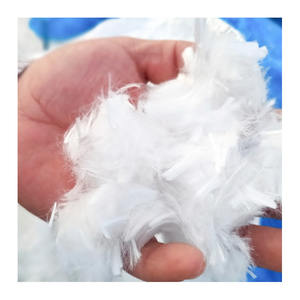
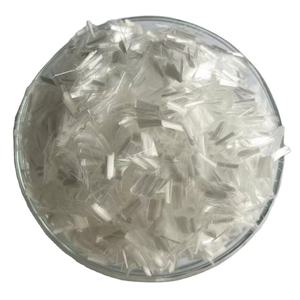
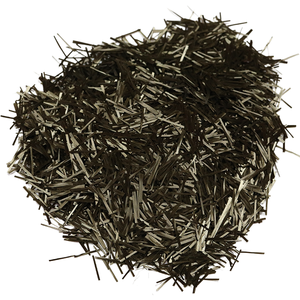
For high-impact resistance, we offer Steel Fibers, an ideal replacement for welded wire mesh in industrial floors and pre-cast elements. We also provide specialized Structural Synthetic Fibers that offer high tensile strength for demanding applications. These fibers are uniformly dispersed throughout the concrete mix, creating a multi-dimensional reinforcement network that traditional methods cannot achieve. This integrated approach simplifies construction, accelerates placement, and enhances the overall integrity and longevity of the concrete, providing a modern answer to age-old cracking and durability challenges.
Features of Fiberglass tie rods fiberglass formwork ties fiber glass for concrete
1. Superior Crack Control and Enhanced Durability:
The primary feature of our fibers is their ability to bridge both micro-cracks that form during the plastic state and larger cracks in hardened concrete. This three-dimensional dispersion creates a more cohesive matrix that resists crack propagation. The direct benefit is a significant reduction in both plastic shrinkage cracking and long-term crack width. This leads to a much more durable concrete with lower permeability, which in turn enhances resistance to water ingress, freeze-thaw damage, and corrosion of any embedded steel. The result is a structure with a longer service life and reduced maintenance costs.
2. Increased Impact and Abrasion Resistance:
Fibers, particularly steel and robust synthetic macro fibers, dramatically improve the concrete’s toughness and post-crack performance. They absorb and distribute energy upon impact or loading. This feature provides the benefit of a more resilient surface that is less prone to spalling, chipping, and abrasion under heavy traffic or mechanical wear. This is a critical advantage for industrial floors, warehouse pavements, and infrastructure projects, leading to a harder-wearing surface that maintains its integrity over time.
3. Construction Efficiency and Cost Savings:
A key feature of using fiber reinforcement is the elimination of welded wire mesh (WWF) in many applications. This provides immense on-site benefits: it simplifies placement, as there is no mesh to be set up or potentially displaced, and it accelerates the entire construction process. By removing a labor-intensive step, projects see reduced labor costs and faster project timelines. The uniform distribution of fibers also ensures consistent reinforcement throughout the entire concrete section, unlike mesh, which can be improperly placed, leading to more reliable and predictable performance.

Specifications of Fiberglass tie rods fiberglass formwork ties fiber glass for concrete
Fiberglass tie rods are vital parts for concrete formwork systems. These rods hold concrete types safely in position throughout putting and treating. They are made from solid fiberglass product. This material uses crucial advantages over traditional steel ties. Fiberglass does not rust or corrode. This is a big offer due to the fact that concrete job typically involves water and damp problems. Steel ties can corrosion with time, compromising them and tarnishing the concrete surface. Fiberglass prevents these troubles completely.
The stamina of fiberglass connect poles is very high. They take care of the heavy stress from damp concrete pushing against the types. They are created to be resilient and trustworthy. You can cut fiberglass ties conveniently utilizing standard devices. This makes setup and elimination quick and simple at work website. There is no requirement for special cutting equipment. This saves effort and time for the construction staff.
One more essential benefit is safety. Fiberglass is a non-conductive product. It does not perform power. This is crucial when functioning near high-voltage line or electrical systems on the construction site. Making use of fiberglass ties minimizes the threat of accidental electrocution. It develops a much safer environment for workers.
Fiberglass tie poles are lightweight contrasted to steel. This makes them easier to take care of, transport, and shop. Employees value the minimized physical stress. The smooth surface area of the fiberglass connections helps with stripping. After the concrete collections, the kinds are gotten rid of. The smooth connection poles launch easily from the hard concrete. This results in a far better coating on the concrete surface. You get less surface area imperfections where the tie rod was located.
These rods work with numerous formwork systems and accessories. They function well with cones, sleeves, and other equipment. They appropriate for several concrete construction tasks. These include foundations, wall surfaces, columns, and various other architectural components. Home builders pick them because they use durable efficiency without corrosion problems. They supply a reputable solution for holding formwork tight.
Applications of Fiberglass tie rods fiberglass formwork ties fiber glass for concrete
Fiberglass connection poles are vital devices for concrete formwork. They protect concrete types throughout pouring. These poles are made from solid fiberglass. They supply several advantages over standard steel ties.
Fiberglass tie poles do not carry out electrical energy. This makes them safe near electric systems. There is no danger of electric mishaps. Workers feel much safer at work website.
These poles are extremely lightweight. Managing them is simple. Carrying them calls for much less effort. This decreases employee exhaustion throughout lengthy jobs.
Fiberglass resists rust naturally. It does not corrosion like steel. Dampness and extreme chemicals do not harm it. The rods last much longer even in hard conditions. This saves cash on replacements.
Setting up fiberglass connections is simple. They collaborate with common formwork hardware. Workers adjust rapidly to utilizing them. They cut quickly to the specific sizes needed.
Getting rid of fiberglass connections is fast and reliable. Workers snap the rods off after the concrete collections. There is no requirement to cut or unscrew anything. This quicken the type stripping procedure significantly. The poles leave cool, small holes in the concrete surface area. These openings need marginal patching later on. The procedure conserves useful labor time.
Company Profile
We are the global leader in lightweight concrete and advanced engineered foam solutions. Known globally for its commitment to research, innovation, and applied expertise, we have been providing engineered foam solutions since the early 2012’s.
We can supply high-quality concrete admixture and foam concrete related products all over the world.
The company has a professional technical department and quality supervision department, a well-equipped laboratory, and equipped with advanced testing equipment and after-sales customer service center.
If you are interested, please feel free and contact us.
Payment
T/T, Western Union, Paypal, Credit Card etc.
Shipment
By air, by sea, by express, as customers request.
5 FAQs of Fiberglass tie rods fiberglass formwork ties fiber glass for concrete
Fiberglass tie rods hold concrete forms together during pouring. They are strong rods made from fiber-reinforced plastic. People use them instead of steel ties in many projects. This material does not rust like steel. It leaves a clean finish on the concrete surface after removal. That is a big advantage.
Steel ties can rust over time. Rust stains sometimes bleed through the concrete later. Fiberglass ties solve this problem. They are completely non-corrosive. You get a smooth, unmarked concrete wall. This saves time and money on surface repairs. It looks much better.
People worry about strength. Fiberglass ties are very strong. They easily handle the pressure of wet concrete pushing against the forms. Manufacturers rate them for specific loads. You need to choose the right strength for your job. Check the technical specifications for each tie rod type. They hold securely.
Installing fiberglass ties is straightforward. Workers use a similar process to steel ties. They thread the tie rod through holes in the formwork panels. Then they secure it with cones or other hardware on each end. This locks the forms tightly in place. The steps are simple and familiar to most crews.
Removing fiberglass ties is simple. After the concrete sets, workers break off the tie rod end. They snap it flush with the concrete face using a hammer or special tool. The broken end stays inside the concrete. It does not cause rust stains later. The smooth surface needs little extra work. Cleanup is fast.