Professional solutions on concrete addtives, Concrete Foaming Agent, Superplasticizer, CLC Blocks Additives, and foaming machine


1. Introduction
Just 24 hours ago, a viral TikTok video showed a DIYer pouring what looked like pancake batter onto their driveway—only to watch it slump into a sad, gray puddle by sunset. The culprit? Overdosing a superplasticizer without understanding admixture types. Don’t be that person. Concrete admixtures are powerful allies, but they demand respect (and proper dosing). This guide gives you the lowdown on choosing and using the best admixture for concrete—without turning your project into a comedy sketch.
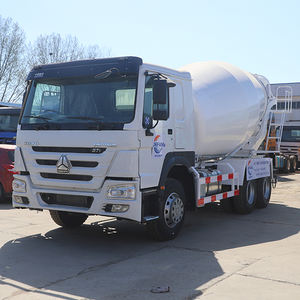
2. Understanding Admixture Types: Not All Concrete Additives Are Created Equal
Before you dump anything into your mixer, know what you’re dealing with. Admixtures fall into two broad categories: chemical and mineral. Chemical admixtures—like superplasticizers, accelerators, and retarders—are added in small doses (usually 0.1%–2% by cement weight) to tweak performance. Mineral admixtures (e.g., fly ash, silica fume) replace part of the cement and improve long-term durability.
- Water reducing admixtures (including mid-range and high-range water reducers like polycarboxylate ether superplasticizers) boost workability without extra water.
- Accelerating admixtures for concrete shorten setting time—perfect for cold weather or fast-track jobs.
- Concrete retarder admixtures delay hydration, ideal for hot climates or complex pours.
- Air entraining admixtures introduce microscopic bubbles to fight freeze-thaw damage.
- Waterproofing admixtures (like crystalline waterproofing admixture or integral waterproofer) block moisture penetration from within.
3. Step-by-Step: How to Select the Right Admixture for Your Job
3.1. Identify Your Challenge

Ask yourself: Is your concrete too stiff? Setting too fast? Cracking in winter? Leaking in the basement? Match your problem to an admixture solution. For example, if you need flow without segregation, reach for a superplasticizer in concrete. If you’re casting decorative stamped concrete in Arizona at noon, a concrete retarder is your new best friend.
3.2. Check Compatibility
Not all admixtures play nice together. Mixing a concrete accelerator with a surface retarder concrete product? That’s like revving your engine while slamming the brakes. Always consult technical data sheets (yes, even if they’re boring). Brands like Chryso admixture publish compatibility charts—use them.
3.3. Calculate Dosage Precisely
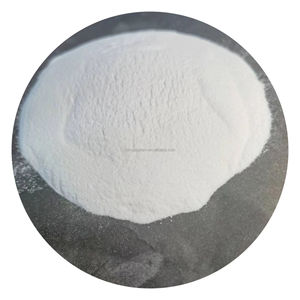
More is not better. A typical superplasticizer admixture dose is 0.5–1.5% by cement weight. Exceeding this can cause excessive bleeding, delayed setting, or even collapse. Use a calibrated dispenser—never eyeball it. And remember: water reducer ≠ water eliminator. You still need water for hydration!
4. Common Problems and Quick Fixes
4.1. Concrete Too Runny? Blame the Super Plasticizers
Overdosed superplasticizer? Stop adding water immediately. You can’t ‘fix’ it by stirring longer. Your best bet: add a small batch of dry mix (cement + sand) to thicken it—but only if the slump hasn’t fully broken down. Prevention tip: always do a trial batch first.
4.2. Surface Scaling in Winter? You Skipped Air Entraining
If your sidewalk looks like flaky pastry after one freeze-thaw cycle, you likely forgot the air entraining agent. Air entraining concrete contains billions of tiny air bubbles that act as pressure relief valves. Target 4–7% air content for exterior slabs in cold zones.
4.3. Cracks Appearing Too Soon? Retarder or Accelerator Gone Rogue
Plastic shrinkage cracks often mean your concrete dried too fast. In hot, windy conditions, use a concrete retarder admixture to slow evaporation. Conversely, if your slab won’t set after 24 hours in winter, you may have overused a retarder—or underused a concrete accelerator curing time booster.
5. Special Cases: Fiber, Color, and Foam
5.1. Fiber Reinforcement Isn’t Just for Show
Adding fibers for concrete (polypropylene fibres for concrete, steel fibers for concrete, or even coconut fiber reinforced concrete) reduces plastic shrinkage cracks and improves impact resistance. Use macro fibers for structural toughness; microfibers for surface integrity. Note: fiberfor concrete doesn’t replace rebar—it complements it.
5.2. Coloring and Releasing Without Sticking
For colored stamped concrete, use tinted concrete powder and a quality concrete release agent (powder or spray). Never skip the release—it prevents your expensive stamp from bonding permanently to the slab. Water-based release agents are eco-friendlier; solvent-based ones offer sharper detail.
5.3. Lightweight Concrete? Foaming Agents Require Precision
Using a CLC foaming agent for foam concrete? Protein-based foaming agents give stable, fine bubbles; synthetic types are cheaper but less consistent. Always test foam stability before full-scale mixing—nobody wants collapsed aircrete.
6. Pro Tips for Success
- Store admixtures in cool, dry places. Heat degrades superplasticizers.
- Never mix different brands of superplasticizer admixture in one batch.
- For waterproofing, crystalline waterproofing admixture outperforms surface sealers long-term.
- When in doubt, contact the manufacturer. Most offer free technical support.
7. Conclusion
Concrete admixtures are like spices in cooking—a pinch transforms the dish; a handful ruins it. Whether you’re using a concrete water reducer to achieve high-strength mixes, an air entraining cement for northern driveways, or a cement waterproofing additive for basements, precision and knowledge win every time. So ditch the guesswork, follow the steps, and pour with confidence. Your future self (and your driveway) will thank you.
Our Website founded on October 17, 2012, is a high-tech enterprise committed to the research and development, production, processing, sales and technical services of ceramic relative materials such as How. Our products includes but not limited to Boron Carbide Ceramic Products, Boron Nitride Ceramic Products, Silicon Carbide Ceramic Products, Silicon Nitride Ceramic Products, Zirconium Dioxide Ceramic Products, etc. If you are interested, please feel free to contact us.