Professional solutions on concrete addtives, Concrete Foaming Agent, Superplasticizer, CLC Blocks Additives, and foaming machine


Key takeaways
- Terra cotta concrete color pigment is an integral coloring additive, usually iron-oxide based, not a surface coating.
- Final color depends on the full mix design and curing regime, not on pigment alone.
- Dosage is the most influential cost lever, and cost comparisons are only meaningful at equal color performance.
- Pigment form, packaging, freight, and minimum order quantity shape the landed cost.
- Quality is best judged by dispersion, color consistency, and batch-to-batch predictability.
- Specifications should state color reference, tolerance, dosage basis, mixing, and curing requirements.
What Is Terra Cotta Concrete Color Pigment?
Terra cotta concrete color pigment is a coloring additive — typically an iron-oxide-based powder or liquid dispersion — that is mixed into a concrete or cementitious system to give the finished surface a warm, earthy orange-brown tone associated with fired clay. It colors concrete from within rather than coating the surface, so the color is distributed through the material instead of sitting on top of it.
The term covers both the color target and the class of additive used to reach it. A terra cotta tone is usually produced by blending red and yellow iron oxide pigments, sometimes with a small amount of black or brown to mute the saturation. The pigment is dosed into the mix — at the batching stage as a powder or as a liquid dispersion — and becomes part of the hardened matrix.
Because the pigment is integral, the resulting color depends on the whole system: the cement type and its own color, the sand and aggregate, the water-to-cement ratio, admixtures, and the curing and finishing method. A pigment that reads as terra cotta in one mix design may read differently in another, which is why pigment selection and mix design are normally treated as one decision rather than two.
| Aspect | Explanation |
|---|---|
| What it is | A coloring additive, typically iron-oxide based, mixed into concrete to produce a warm orange-brown tone |
| How it works | Pigment particles are dispersed through the mix and become part of the hardened concrete |
| Typical form | Powder or liquid dispersion, dosed at batching or mixing |
| Main cost drivers | Pigment type, dosage, form, order volume, packaging, freight, and minimum order quantity |
| Main quality indicators | Dispersion, color consistency, alkali and light resistance, and batch-to-batch predictability |
| Key limitation | Final color depends on the whole mix and curing regime, not on pigment alone |
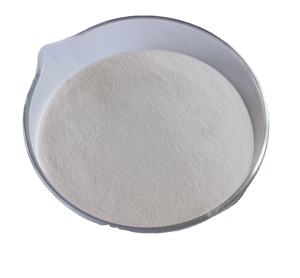
How Terra Cotta Pigment Colors Concrete
Pigment particles work by selectively absorbing and scattering visible light. Iron oxide pigments are valued in cementitious systems because they are largely insoluble, chemically stable, and resistant to the alkaline environment of hydrating cement. That stability lets the color survive curing and remain in the hardened concrete rather than leaching or fading quickly under normal exposure.
The coloring effect is not a paint-like layer. Pigment particles must be dispersed through the mix so that each particle is wetted and separated; poorly dispersed pigment tends to produce streaking, mottling, or weak color development. Liquid dispersions are often chosen when uniform distribution matters, while powders are common where batching is done dry and mixing energy is sufficient.
Dosage is usually expressed as a percentage of cement or binder weight. The exact range depends on the pigment, the target depth of color, and the base mix, so the practical approach is to run trial mixes rather than assume a single figure. Overdosing does not simply deepen the color; it can affect water demand, workability, and, in some cases, strength development, which is why pigment dosage is normally treated as a mix-design variable with its own testing.
Cost Factors for Terra Cotta Concrete Color Pigment
The cost of terra cotta concrete color pigment is driven mainly by pigment type, concentration, form (powder or liquid dispersion), order volume, and the logistics of getting it to the batching site. Iron oxide pigments are generally positioned as a mid-range coloring option compared with some specialty or organic colorants, but the delivered cost per unit of colored concrete depends heavily on how much pigment the mix design requires.
Dosage is the single most influential cost lever. A mix that reaches the target terra cotta tone at a lower pigment loading will cost less per cubic meter of concrete than one that needs a higher loading, even if the pigment price per kilogram is identical. Because dosage depends on the base mix and the desired depth of color, cost comparisons between pigments are only meaningful when they are made at equal color performance in the same mix.
Form and handling also affect total cost. Powder pigments can be economical per kilogram but may require careful weighing, dust control, and adequate mixing energy. Liquid dispersions typically cost more per kilogram of pigment solids but can simplify dosing, reduce dust, and improve dispersion, which may reduce rework and color variation. Packaging, freight, and minimum order quantities further shape the landed cost, particularly for overseas buyers.
Pigment cost is not the same as the cost of the colored concrete as a whole. Cement, aggregates, admixtures, labor, finishing, and curing all contribute to the final price of a terra cotta concrete element. Pigment is usually a modest share of that total, but it is the share most directly tied to the visual result, so it is often the line item that receives the most scrutiny.
Quality Indicators for Terra Cotta Pigment
Quality in a terra cotta concrete color pigment is best understood as consistency and compatibility rather than a single score. The relevant questions are whether the pigment disperses evenly, whether it holds its color through mixing, placing, finishing, and curing, and whether it behaves predictably from batch to batch. A pigment that produces a beautiful sample but varies between deliveries is a quality problem in practice.
Key indicators include pigment chemistry and purity, particle size and distribution, moisture content for powders, solids content and stability for liquid dispersions, and resistance to alkali and light. Suppliers typically provide technical data sheets covering these properties, and buyers can compare them against the requirements of their mix design. Independent verification, such as a trial batch or a lab color check, is a common way to confirm that a pigment performs as described.
Color consistency is often assessed by comparing cured samples under controlled lighting against an agreed reference. Because cement, sand, water, and curing conditions all shift the final tone, a fair quality check holds the mix design constant and varies only the pigment. This isolates the pigment's contribution and makes batch-to-batch comparison meaningful.
Storage and shelf life also matter. Powders should be kept dry to avoid caking, and liquid dispersions should be protected from freezing and excessive heat according to the supplier's instructions. Poor storage can degrade dispersion quality and lead to color variation even when the pigment itself was acceptable on delivery.

Balancing Cost and Quality in Specification
Specifying a terra cotta concrete color pigment is a trade-off between the color target, the acceptable variation, and the budget. A project that needs a tight, repeatable tone across many batches will generally justify a more consistent pigment and a more controlled dosing method, while a project with a looser color tolerance may accept a simpler and less expensive approach. Neither choice is inherently wrong; the question is what the project actually requires.
A practical specification usually states the color reference, the acceptable tolerance, the pigment form and dosage basis, the mixing procedure, and the curing and finishing regime. It also identifies who is responsible for approving trial batches. This structure reduces the risk that cost savings in pigment selection are offset by rework, rejected panels, or visible patchiness on the finished surface.
For buyers sourcing pigment internationally, the total cost picture includes freight, lead time, minimum order quantity, and the reliability of repeat supply. A lower unit price can be outweighed by inconsistent deliveries or by the cost of adjusting the mix each time a new lot arrives. Evaluating pigment suppliers on both price and consistency is therefore a more useful exercise than comparing price alone.
Common Misunderstandings About Terra Cotta Pigment
One common misunderstanding is that pigment alone determines the final color. In reality, the cement, aggregates, water content, admixtures, finishing, and curing all influence the outcome. Two mixes using the same terra cotta pigment can produce noticeably different tones, which is why color approval is normally done on the actual mix design rather than on a pigment sample in isolation.
Another misunderstanding is that more pigment always means better color. Beyond a certain point, additional pigment may not deepen the color proportionally and can introduce workability or strength issues. The efficient approach is to find the lowest dosage that reliably meets the color target in the specific mix, then control that dosage carefully.
A third is that pigment cost and concrete cost are the same thing. Pigment is one input among many, and its share of the total cost of a colored concrete element is usually limited. Decisions that reduce pigment cost but increase rework or color variation can raise the overall project cost rather than lower it.
Frequently asked questions
Is terra cotta concrete color pigment the same as a concrete stain or dye?
No. Terra cotta concrete color pigment is mixed into the concrete or cementitious system so the color is distributed through the material. Stains and dyes are typically applied to a hardened surface and work differently. The choice between integral pigment and surface coloring depends on the project's appearance goals, maintenance expectations, and construction sequence.
What determines the cost of terra cotta concrete color pigment?
The main factors are pigment type and concentration, whether it is supplied as a powder or liquid dispersion, order volume, packaging, freight, and minimum order quantity. Dosage required to reach the target color in a given mix is usually the most influential factor in the cost per unit of colored concrete.
How can I check the quality of a terra cotta pigment?
Review the supplier's technical data for chemistry, particle size, moisture or solids content, and alkali and light resistance. Then run a trial batch using the actual mix design and compare cured samples against an agreed color reference under controlled lighting. Holding the mix constant and varying only the pigment isolates its contribution.
Does using more pigment always produce a stronger terra cotta color?
Not necessarily. Beyond a certain dosage, additional pigment may not deepen the color proportionally and can affect water demand, workability, or strength development. The practical approach is to find the lowest dosage that reliably meets the color target in the specific mix, then control that dosage consistently.
Concrete Fashion is a supplier of Concrete Admixture with over 12 years of experience in nano-building energy conservation and nanotechnology development. It accepts payment via Credit Card, T/T, West Union and Paypal. TRUNNANO will ship the goods to customers overseas through FedEx, DHL, by air, or by sea. If you are looking for lightweight concrete relative materials, please feel free to contact us and send an inquiry.