Professional solutions on concrete addtives, Concrete Foaming Agent, Superplasticizer, CLC Blocks Additives, and foaming machine


1. Introduction
Just 24 hours ago, a major infrastructure project in Texas halted mid-pour due to unexpected concrete slump loss—traced back to an incompatible admixture blend. This incident underscores a growing industry dilemma: with dozens of concrete chemicals on the market, how do you pick the right admixture used in concrete without compromising performance or sustainability? As demand surges for high-strength, fast-curing, and eco-friendly mixes, the spotlight is firmly on superplasticizer technology.
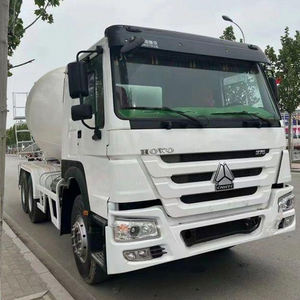
Concrete admixtures have evolved from simple additives to sophisticated chemical systems that can control everything from setting time to waterproofing. Among the most critical are water reducing admixtures, especially superplasticizers, which dramatically improve workability without adding extra water. But not all super plasticizers are created equal—and choosing the wrong one can cost time, money, and structural integrity.
2. Understanding Admixture Types
Admixtures fall into two broad categories: chemical and mineral. Chemical admixtures include concrete accelerator, concrete retarder, air entraining admixture, and superplasticizer admixture. Mineral admixtures like fly ash or silica fume enhance long-term strength and durability. For this analysis, we’ll focus on chemical admixtures—specifically water reducers and superplasticizers.
- Water reducing admixtures lower the water-cement ratio while maintaining workability.
- Superplasticizers (or high-range water reducers) can reduce water content by 30% or more.
- Air entraining concrete improves freeze-thaw resistance by creating microscopic air bubbles.
- Integral waterproofer and crystalline waterproofing admixture offer long-term moisture protection.
3. Naphthalene-Based Superplasticizers: The Legacy Option
Naphthalene sulfonate formaldehyde (SNF) superplasticizers have been industry staples since the 1970s. They’re effective, affordable, and widely available—including brands like Chryso admixture lines. These concrete additives deliver solid slump retention and are compatible with most cement types.
However, SNF-based products come with drawbacks. They often require higher dosages, can cause rapid slump loss over time, and are derived from petrochemicals—raising environmental concerns. Additionally, they’re less effective in low-water, high-performance mixes common in modern precast or self-consolidating concrete.
Contractors still use naphthalene-based superplasticizer for cost-sensitive projects, but its limitations are becoming harder to ignore as green building standards tighten.
4. Polycarboxylate Ether (PCE): The Next-Gen Superplasticizer
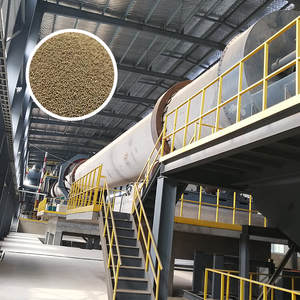
Polycarboxylate ether (PCE) superplasticizers represent the cutting edge in concrete chemistry. Unlike older types, PCE molecules are engineered at the molecular level to provide superior dispersion of cement particles. This results in exceptional flow, minimal water demand, and extended workability—ideal for complex architectural pours or fiber-reinforced concrete.
PCE-based superplasticizer in concrete also plays well with other admixtures. It integrates seamlessly with accelerating admixtures for concrete, concrete retarder admixture, and even waterproofing admixture for concrete. Plus, it’s more eco-friendly, often biodegradable, and requires lower dosages—reducing overall material costs despite a higher upfront price per kg.
The best superplasticizer for concrete in high-end applications today is almost always PCE-based. From skyscrapers to bridges, engineers specify polycarboxylate superplasticizer for its reliability and performance under stress.
5. Performance Comparison: SNF vs. PCE
When comparing naphthalene superplasticizer and polycarboxylate ether superplasticizer side by side, key differences emerge:
- Water reduction: PCE achieves 30–40% reduction; SNF typically 15–25%.
- Slump retention: PCE maintains workability for hours; SNF often slumps within 30–60 minutes.
- Compatibility: PCE works better with supplementary cementitious materials (SCMs) and fibers like polypropylene fibres for concrete or steel fibers for concrete.
- Environmental impact: PCE has lower VOC emissions and is often synthesized from renewable precursors.
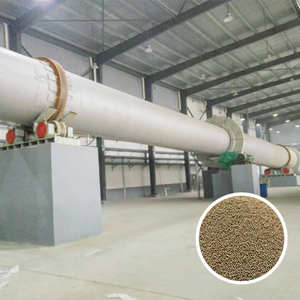
For projects using fiber reinforced concrete—whether with macro fibers, coconut fiber reinforced concrete, or carbon fiber reinforcement in concrete—PCE is the clear winner. Its molecular structure prevents fiber clumping and ensures uniform distribution.
6. Beyond Superplasticizers: Other Critical Admixtures
While superplasticizers dominate discussions, other concrete chemicals play vital roles. Air entraining agents protect against freeze-thaw damage in cold climates. Concrete accelerator curing time can be slashed with fast curing concrete additives, crucial for emergency repairs. Meanwhile, surface retarder concrete allows for exposed aggregate finishes without compromising early strength.
Waterproofing is another frontier. Crystalline waterproofing admixture reacts with moisture to form insoluble crystals that block capillaries—far more durable than topical sealers. Similarly, cement waterproofing additive and concrete waterproof admix offer integral protection, especially in basements or water tanks.
Even release agents matter: water-based release agent or powder release agent for concrete ensures clean demolding without staining colored stamped concrete or intricate patterns.
7. Choosing the Best Admixture for Concrete
So, what’s the best admixture for concrete? It depends on your project goals. For budget builds with standard specs, SNF-based water reducer may suffice. But for high-performance, sustainable, or architecturally demanding work, PCE superplasticizer is unmatched.
Always consider compatibility. Mixing a melamine based superplasticizer with certain accelerators can cause flash set. Likewise, some air entraining cement formulations conflict with polycarboxylate concrete admixture unless properly dosed.
Consult technical data sheets, run trial batches, and partner with reputable suppliers—many now offer custom blends tailored to local materials and climate conditions.
8. Conclusion
The concrete admixture landscape is shifting fast. While traditional options like naphthalene-based water reducers still have a place, polycarboxylate ether superplasticizers are redefining what’s possible in modern construction. By understanding admixture types—from plasticizer for concrete to integral waterproofer—you can build smarter, stronger, and greener. In an era where every pour counts, choosing the right concrete admixture isn’t just technical—it’s strategic.
Our Website founded on October 17, 2012, is a high-tech enterprise committed to the research and development, production, processing, sales and technical services of ceramic relative materials such as Superplasticizers. Our products includes but not limited to Boron Carbide Ceramic Products, Boron Nitride Ceramic Products, Silicon Carbide Ceramic Products, Silicon Nitride Ceramic Products, Zirconium Dioxide Ceramic Products, etc. If you are interested, please feel free to contact us.