Professional solutions on concrete addtives, Concrete Foaming Agent, Superplasticizer, CLC Blocks Additives, and foaming machine


1. Introduction
Just 24 hours ago, a major infrastructure project in Texas made headlines after engineers credited advanced polycarboxylate ether (PCE) superplasticizers for enabling ultra-high-strength concrete pours in record heat—showcasing just how critical modern admixtures are in real-world construction. Whether you’re pouring a backyard patio or managing a commercial build, understanding concrete admixtures can save time, cut costs, and dramatically improve performance.
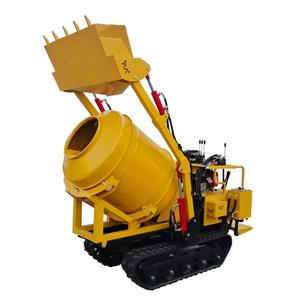
Concrete admixtures—also called concrete additives or ad mixtures—are chemical, mineral, or fibrous materials added to concrete before or during mixing to modify its properties. From improving flow with a plasticizer for concrete to speeding up curing with a concrete accelerator, the right admixture makes all the difference.
2. Understand Common Admixture Types
Not all admixtures are created equal. The American Concrete Institute (ACI) classifies them into several categories based on function. Knowing these helps you pick the best admixture for concrete:
- Water reducing admixtures (including mid-range and high-range water reducers like superplasticizers)
- Accelerating admixtures for concrete (e.g., calcium chloride-based concrete accelerator)
- Concrete retarder admixtures (used in hot weather or for complex pours)
- Air entraining admixture (adds microscopic air bubbles for freeze-thaw resistance)
- Waterproofing admixture (such as integral waterproofer or crystalline waterproofing admixture)
- Fiber reinforcement (polypropylene fibres for concrete, steel fibers for concrete, etc.)
3. Step-by-Step: Selecting the Right Admixture
Start by identifying your primary challenge. Is your mix too stiff? Too slow to set? Prone to cracking or water damage?
If workability is low, consider a superplasticizer in concrete. Superplasticizer admixtures—especially PCE-based types—can reduce water content by up to 40% while maintaining flow. These are far more effective than basic plasticizer admixture options.
For cold-weather pours, use accelerating admixtures for concrete to shorten curing time. A concrete accelerator curing time reduction of 25–50% is typical.
In hot climates or for large continuous pours, a concrete retarder (or surface retarder concrete for decorative finishes) delays setting, giving you more placement time.
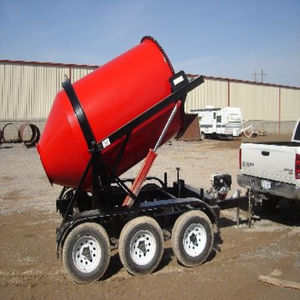
Need durability against moisture? Look for a concrete waterproofing additive like a cement waterproofing additive or crystalline waterproofing admixture. These react with cement to block capillary pores.
4. Using Fibers for Crack Control and Strength
Fibers for concrete aren’t just filler—they’re functional reinforcements. Polypropylene fibre (PP fiber concrete) controls plastic shrinkage cracks, while steel fiber reinforced concrete boosts impact resistance.
Macro fibers and microfibers serve different roles: microfibers (like concrete microfiber) prevent early-age cracking, while macro fibers add post-crack toughness. Coconut fiber reinforced concrete is gaining traction in sustainable builds, though it’s less common than synthetic options.
When mixing, add fibers slowly to avoid clumping. Most fiberfor concrete products disperse evenly in standard mixers, but always follow manufacturer guidelines.
5. Practical Mixing and Dosage Tips
Always follow dosage instructions! Overdosing a superplasticizer can cause segregation or excessive slump loss. Typical dosages range from 0.5% to 2% by weight of cement.
Add admixtures at the right time: most chemical admixture for concrete products go in with the mix water. However, some superplasticizers are added later (‘post-dosing’) to control slump retention.
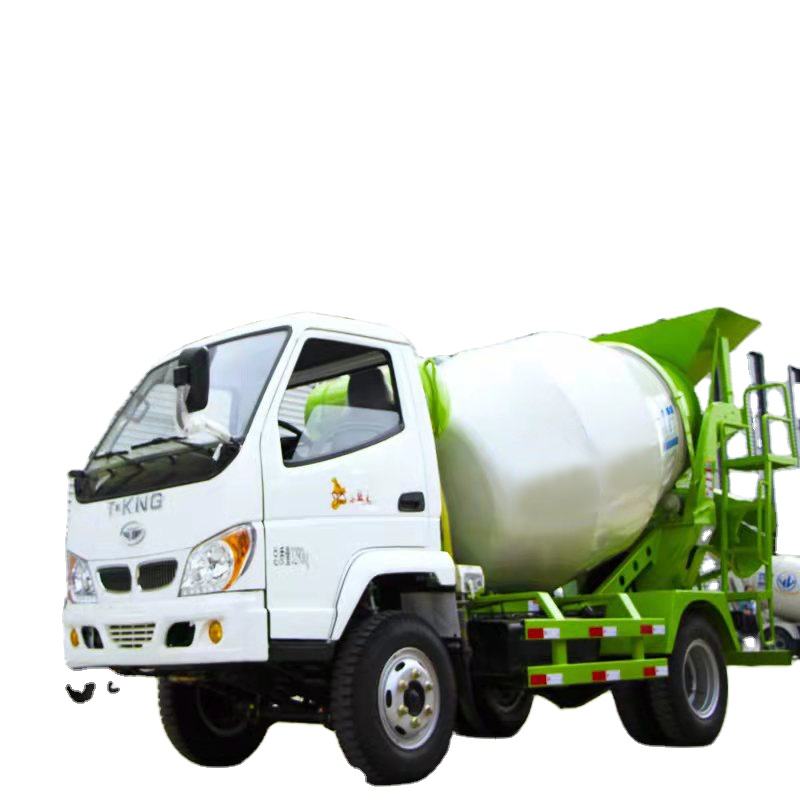
Never mix incompatible admixtures. For example, certain air entraining agents may lose effectiveness when combined with some superplasticizers. Test small batches first.
6. Troubleshooting Common Problems
Problem: Concrete is setting too fast in summer heat. Solution: Use a concrete retarder admixture or switch to a slower-hydrating cement with a compatible admixture retarder.
Problem: Surface scaling after winter. Likely cause: insufficient air entraining. Fix: Ensure proper air entraining concrete practices—target 4–7% air content in freeze-thaw zones.
Problem: Water seepage through basement walls. Try an integral waterproofer or waterproof admix designed for structural concrete. Crystalline waterproofing admixture forms insoluble crystals that self-seal cracks over time.
Problem: Poor finish on stamped concrete. Use a quality concrete release agent (powder or spray) in your desired color to prevent sticking and enhance pattern definition.
7. Where to Buy Reliable Admixtures
Brands like Chryso admixture, Sika, and BASF offer trusted concrete chemicals. For DIYers, Home Depot carries basic superplasticizer, concrete accelerator, and fiber mesh products. Always check the bio data sheet for compatibility and safety info.
8. Conclusion
Choosing the right admixture used in concrete isn’t guesswork—it’s science paired with practical know-how. Whether you need a water reducer to boost strength, an air entraining agent for durability, or fiber reinforcement for crack control, matching the admixture to your environmental and structural needs ensures long-lasting results. With today’s advanced concrete additives, even small projects can achieve professional-grade performance.
Our Website founded on October 17, 2012, is a high-tech enterprise committed to the research and development, production, processing, sales and technical services of ceramic relative materials such as How. Our products includes but not limited to Boron Carbide Ceramic Products, Boron Nitride Ceramic Products, Silicon Carbide Ceramic Products, Silicon Nitride Ceramic Products, Zirconium Dioxide Ceramic Products, etc. If you are interested, please feel free to contact us.