Professional solutions on concrete addtives, Concrete Foaming Agent, Superplasticizer, CLC Blocks Additives, and foaming machine


1. Introduction
Just 36 hours ago, a major breakthrough shook the construction world: researchers at MIT unveiled a new bio-based superplasticizer derived from agricultural waste that reduces water content by 40% without compromising strength. This innovation highlights how rapidly the field of concrete admixtures is evolving—and why choosing the right admixture isn’t just technical, it’s strategic.
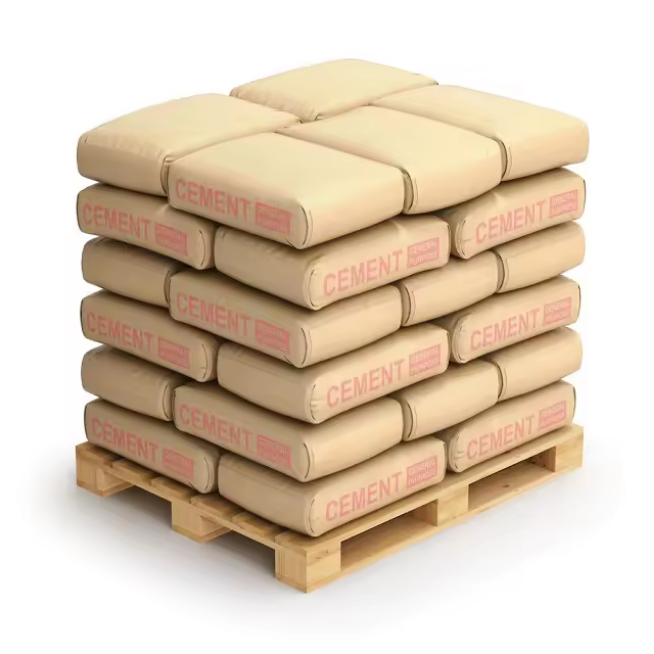
If you’ve ever stared at a bag labeled ‘concrete admixture’ and wondered whether it’s magic dust or marketing fluff, you’re not alone. Admixtures—those mysterious concrete additives—are the unsung heroes (or villains) behind everything from skyscrapers to backyard patios. But with dozens of types, from superplasticizers to waterproofing admixtures and fiber reinforcements, how do you pick the best admixture for concrete? Let’s crack this concrete code—with a side of humor.
2. Superplasticizers: The Liquid Gold of Modern Concrete
When it comes to workability and strength, nothing beats a good superplasticizer. These high-range water reducers transform stiff, unworkable sludge into silky-smooth concrete that flows like cake batter—without adding extra water (which weakens the final product).
There are two main contenders in the superplasticizer arena: naphthalene-based and polycarboxylate ether (PCE)-based. Naphthalene sulfonate superplasticizers have been around since the 1970s. They’re cheap, effective, and widely available—but they can cause rapid slump loss and aren’t eco-friendly. Think of them as the reliable old pickup truck: gets the job done, but guzzles fuel and smells weird.
Enter PCE superplasticizers—the Tesla of concrete chemicals. Polycarboxylate ether offers superior water reduction (up to 40%), excellent slump retention, and compatibility with modern cement blends. Plus, they’re more sustainable. If your project demands high-strength, self-consolidating, or fast-curing concrete additives, PCE is your go-to. Yes, it costs more—but so does re-pouring a failed slab.
- Naphthalene-based: budget-friendly but short-lived performance
- Polycarboxylate ether (PCE): premium performance, future-proof, and greener
3. Waterproofing Admixtures: Keeping Water Out Without Breaking a Sweat
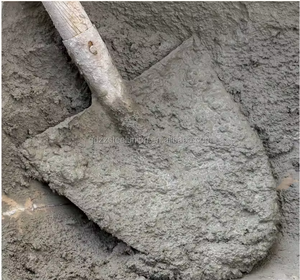
Water and concrete are frenemies. A little helps curing; too much invites cracks, spalling, and mold parties. That’s where waterproofing admixtures come in. Not all are created equal—some sit on the surface, others dive deep.
Integral waterproofers mix right into the batch, creating a hydrophobic matrix throughout the concrete. Crystalline waterproofing admixtures take it further: they react with moisture to grow microscopic crystals that plug capillaries permanently. Ideal for basements, tunnels, or anywhere leaks mean lawsuits.
Then there’s cement waterproofing additive vs. surface-applied sealers. While sealers wear off, integral systems last the life of the structure. For long-term durability, skip the quick fix and opt for a true concrete waterproof admix—especially if you’re building near coasts or flood zones.
4. Fiber Reinforcement: From Coconut to Carbon
Forget steel rebar for a second. Today’s concrete often includes fibers—tiny reinforcements that control cracking, boost impact resistance, and even replace mesh in slabs. The range is wild: polypropylene fibres for concrete prevent plastic shrinkage cracks; steel fibers for concrete add toughness to industrial floors; and yes, coconut fiber reinforced concrete is a real (and sustainable) thing.
Macro fibers like steel or synthetic variants enhance structural integrity, while microfibers (like PP fiber concrete) tackle early-age cracking. Carbon fiber reinforcement in concrete? Still niche and pricey, but promising for seismic zones.
For residential projects like concrete siding or driveways, polypropylene is the sweet spot: affordable, easy to mix, and invisible in the finish. Brands like Hardie concrete siding and CertainTeed concrete siding rely on fiber-reinforced mixes to mimic wood grain without rotting.
5. Specialty Admixtures: Retarders, Accelerators, and Foaming Agents
Need to pour concrete in scorching heat? A concrete retarder admixture slows hydration, giving crews time to finish. Pouring in winter? Accelerating admixtures for concrete cut curing time dramatically—critical when deadlines loom.
And don’t overlook foaming agents. Used in foam concrete or CLC blocks, protein-based or synthetic foaming agents create lightweight, insulating cellular concrete. The best foaming agent for aircrete balances stability and bubble uniformity—homemade versions rarely cut it.
Even release agents matter. A quality concrete form release agent prevents sticking without staining—unlike that DIY cooking oil trick that left your last patio looking like a greasy pizza box.
6. Conclusion
So, what’s the best admixture for concrete in 2024? It depends. For flow and strength: polycarboxylate superplasticizer. For lifelong dryness: crystalline waterproofing admixture. For crack control: polypropylene fibers. And for speed? Fast curing concrete additives with accelerators.
The key is matching the admixture to your project’s climate, timeline, and performance needs—not chasing every trend. After all, concrete may be gray, but your choices don’t have to be.
Our Website founded on October 17, 2012, is a high-tech enterprise committed to the research and development, production, processing, sales and technical services of ceramic relative materials such as What’s. Our products includes but not limited to Boron Carbide Ceramic Products, Boron Nitride Ceramic Products, Silicon Carbide Ceramic Products, Silicon Nitride Ceramic Products, Zirconium Dioxide Ceramic Products, etc. If you are interested, please feel free to contact us.