Professional solutions on concrete addtives, Concrete Foaming Agent, Superplasticizer, CLC Blocks Additives, and foaming machine


PRODUCT PARAMETERS
Description
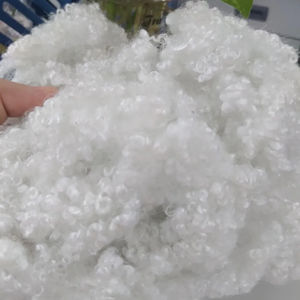
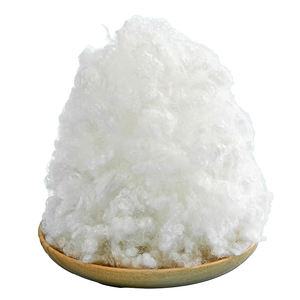
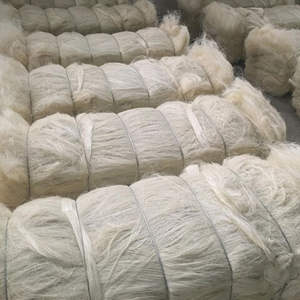
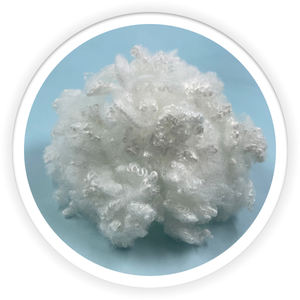
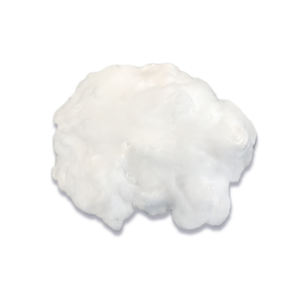
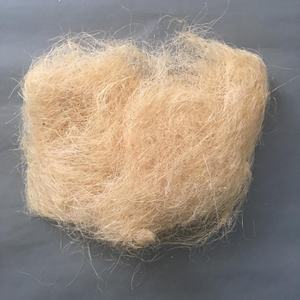
Overview of Concrete industrial grade cellulose Wood fiber
For high-impact resistance, we offer Steel Fibers, an ideal replacement for welded wire mesh in industrial floors and pre-cast elements. We also provide specialized Structural Synthetic Fibers that offer high tensile strength for demanding applications. These fibers are uniformly dispersed throughout the concrete mix, creating a multi-dimensional reinforcement network that traditional methods cannot achieve. This integrated approach simplifies construction, accelerates placement, and enhances the overall integrity and longevity of the concrete, providing a modern answer to age-old cracking and durability challenges.
Features of Concrete industrial grade cellulose Wood fiber
1. Superior Crack Control and Enhanced Durability:
The primary feature of our fibers is their ability to bridge both micro-cracks that form during the plastic state and larger cracks in hardened concrete. This three-dimensional dispersion creates a more cohesive matrix that resists crack propagation. The direct benefit is a significant reduction in both plastic shrinkage cracking and long-term crack width. This leads to a much more durable concrete with lower permeability, which in turn enhances resistance to water ingress, freeze-thaw damage, and corrosion of any embedded steel. The result is a structure with a longer service life and reduced maintenance costs.
2. Increased Impact and Abrasion Resistance:
Fibers, particularly steel and robust synthetic macro fibers, dramatically improve the concrete’s toughness and post-crack performance. They absorb and distribute energy upon impact or loading. This feature provides the benefit of a more resilient surface that is less prone to spalling, chipping, and abrasion under heavy traffic or mechanical wear. This is a critical advantage for industrial floors, warehouse pavements, and infrastructure projects, leading to a harder-wearing surface that maintains its integrity over time.
3. Construction Efficiency and Cost Savings:
A key feature of using fiber reinforcement is the elimination of welded wire mesh (WWF) in many applications. This provides immense on-site benefits: it simplifies placement, as there is no mesh to be set up or potentially displaced, and it accelerates the entire construction process. By removing a labor-intensive step, projects see reduced labor costs and faster project timelines. The uniform distribution of fibers also ensures consistent reinforcement throughout the entire concrete section, unlike mesh, which can be improperly placed, leading to more reliable and predictable performance.

Specifications of Concrete industrial grade cellulose Wood fiber
Builders require hard concrete that doesn’t crack conveniently. Industrial cellulose wood fiber helps make that happen. This fiber mixes right into the concrete set. It originates from processed wood pulp. The fiber is really great. It acts like little reinforcement threads throughout the mix.
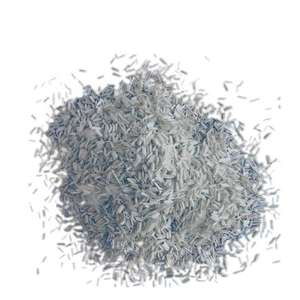
Seek particular fiber sizes. Good fibers are generally in between 0.5 mm and 3.0 mm long. This size functions finest. It spreads equally without clumping. Uniform length is important. It ensures consistent efficiency in every batch. The fiber should be tidy. It should have almost no dust or pollutants. Dirt harms the concrete’s strength and surface.
This fiber enjoys water. It takes in wetness rapidly. This helps control how fast the concrete dries. Slower drying means less cracks. The fiber also makes damp concrete much easier to take care of. It boosts cohesion. The mix doesn’t different or bleed water as a lot. Workers can position and complete it much better. It sticks together well.
The fiber should collaborate with usual concrete additives. It shouldn’t disrupt plasticizers or air-entrainers. Trustworthy vendors test for this compatibility. You require the correct amount of fiber. Typical dose is 0.9 to 1.8 pounds per cubic lawn of concrete. Follow the supplier’s exact referral. Inadequate will not help a lot. Excessive can trigger issues.
The fiber is normally packaged dry. It comes in sealed bags. This keeps it clean and completely dry till usage. Store bags off the ground in a completely dry area. Tear the bag open and pour the fiber directly right into the mixer. Include it with the other dry materials initially. Mix completely. It spreads well. You will not see loose fibers standing out on the finished surface. It assimilates completely. This fiber makes concrete much more resilient. It deals with cracks from plastic shrinkage and negotiation. It enhances surface quality too. The result is tougher industrial slabs and sidewalks.
Applications of Concrete industrial grade cellulose Wood fiber
Industrial quality cellulose timber fiber comes from processed wood. It’s a key additive for contemporary concrete blends. Building contractors use it commonly. It takes on typical concrete problems effectively. Adding these fibers aids manage splitting. Concrete shrinks as it dries out and sets. This shrinking commonly creates fractures. The fibers spread out throughout the mix. They act like little support bars. They hold the concrete with each other much better throughout this essential stage. This lowers very early cracking dramatically.
It likewise combats plastic shrinkage. Fresh concrete rests wet on site. Surface area water vaporizes quickly sometimes. This rapid drying out pulls the surface area apart. The fibers develop a great mesh. This mesh holds moisture in position much longer. It decreases the water loss. This prevents surface area splits prior to last setup. The outcome is a smoother, stronger surface.
The fibers enhance longevity also. They boost communication within the concrete paste. This makes the mix tougher. It stands up to wear and tear far better with time. Abrasion resistance boosts visibly. Surfaces like industrial floors last much longer. The fibers likewise aid control water hemorrhage. Excess water climbing to the surface area weakens concrete. The fibers decrease this separation. The mix stays a lot more consistent. This boosts general top quality and toughness.
These fibers are essential for splashed concrete applications. Shotcrete needs superb communication. It must adhere to upright or overhead surface areas right away. The fibers provide this necessary dampness. They prevent rebound and drooping. This makes spraying faster and a lot more effective. Ending up job like troweling comes to be simpler also. The fibers reduce the stickiness of the wet mix. Workers accomplish a smoother finish with less initiative.
Concrete floor covering advantages significantly. Storehouse floors encounter heavy lots and effects. The fibers reduce dusting and surface scaling. They decrease tiny chips and cracks developing under stress and anxiety. This prolongs the flooring’s functional life. Repair frequency lowers. The fibers are versatile. They work well with various other ingredients like fly ash or slag. They incorporate efficiently right into numerous mix styles. Contractors value this flexibility. Utilizing commercial cellulose timber fiber makes concrete more trustworthy and resilient. It resolves useful issues on the job site.
Company Profile
We are the global leader in lightweight concrete and advanced engineered foam solutions. Known globally for its commitment to research, innovation, and applied expertise, we have been providing engineered foam solutions since the early 2012’s.
We can supply high-quality concrete admixture and foam concrete related products all over the world.
The company has a professional technical department and quality supervision department, a well-equipped laboratory, and equipped with advanced testing equipment and after-sales customer service center.
If you are interested, please feel free and contact us.
Payment
T/T, Western Union, Paypal, Credit Card etc.
Shipment
By air, by sea, by express, as customers request.
5 FAQs of Concrete industrial grade cellulose Wood fiber
What is cellulose wood fiber for concrete?
It’s a natural fiber additive. It comes from specially treated wood pulp. We make it for industrial concrete use. It improves concrete performance. It helps control cracks and water.
Why add cellulose fiber to concrete?
It makes concrete stronger against cracking. It fights plastic shrinkage cracks. These cracks happen early as concrete dries. The fibers hold things together. It also helps trap water inside. This helps curing. The surface stays better.
How does this fiber work inside concrete?
The tiny fibers spread everywhere in the mix. They create a fine network. This network gives support internally. It reduces tiny cracks starting. It holds water where needed. This makes the concrete tougher overall.
Where should I use this industrial-grade fiber?
Use it in any concrete needing toughness. Common uses are floors, slabs, driveways. It’s good for overlays and repairs. It helps where controlling cracks matters most. It improves thin sections especially well. It works with other fibers too.
Is this fiber safe and easy to handle?
Yes, it’s non-toxic and safe. It’s just treated wood pulp. It won’t burn easily. It won’t harm skin badly. It’s dusty though. Wear a dust mask when pouring. Keep the area ventilated. Clean spills quickly.